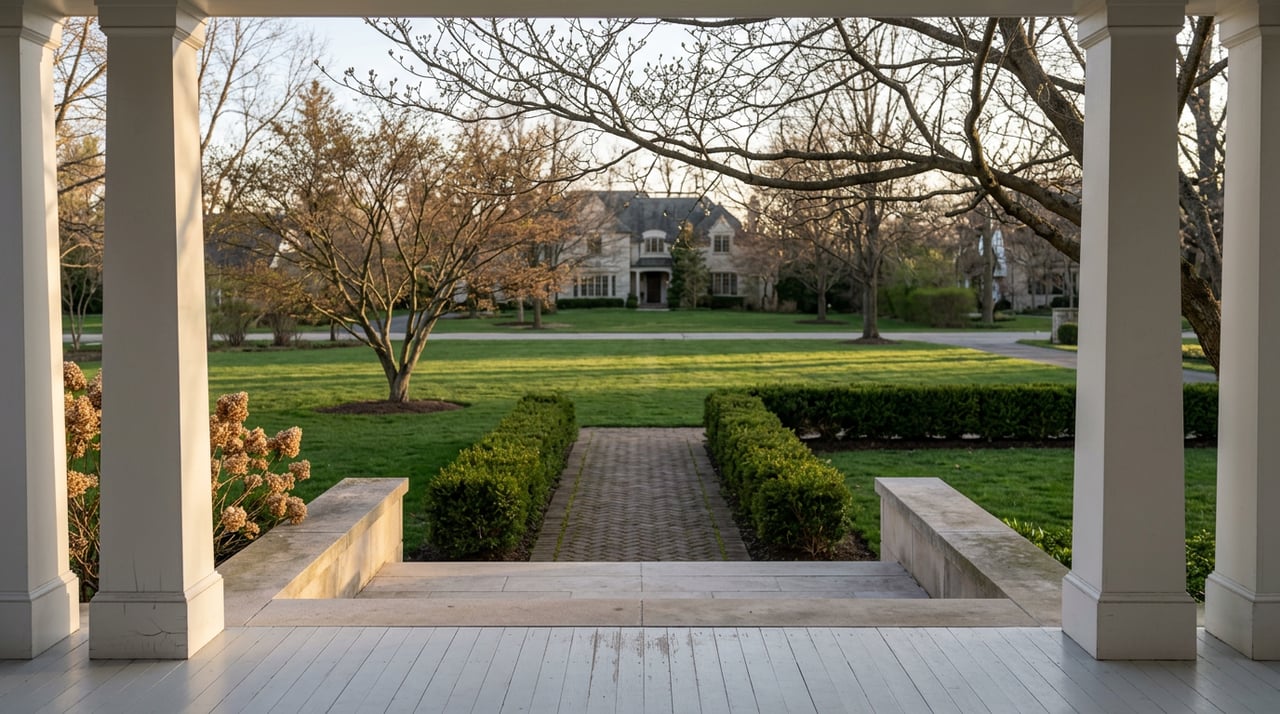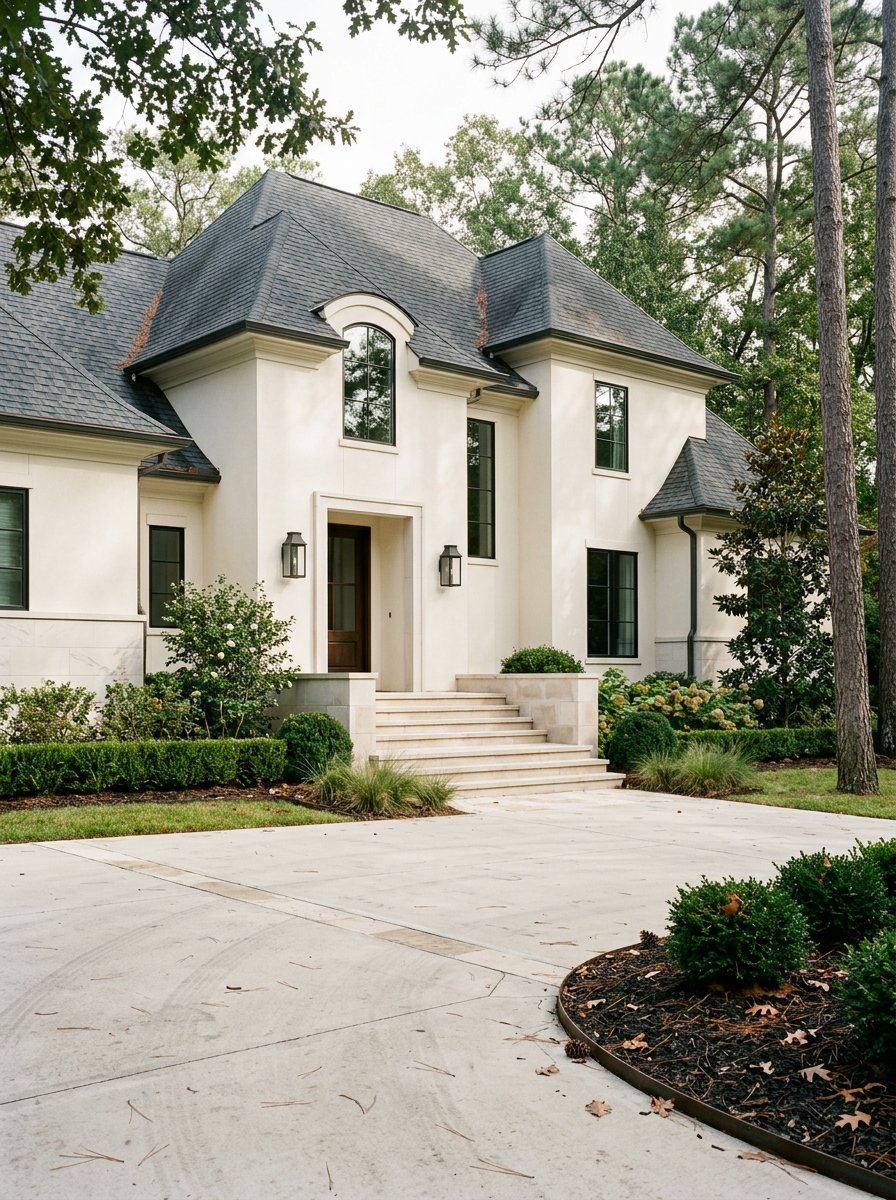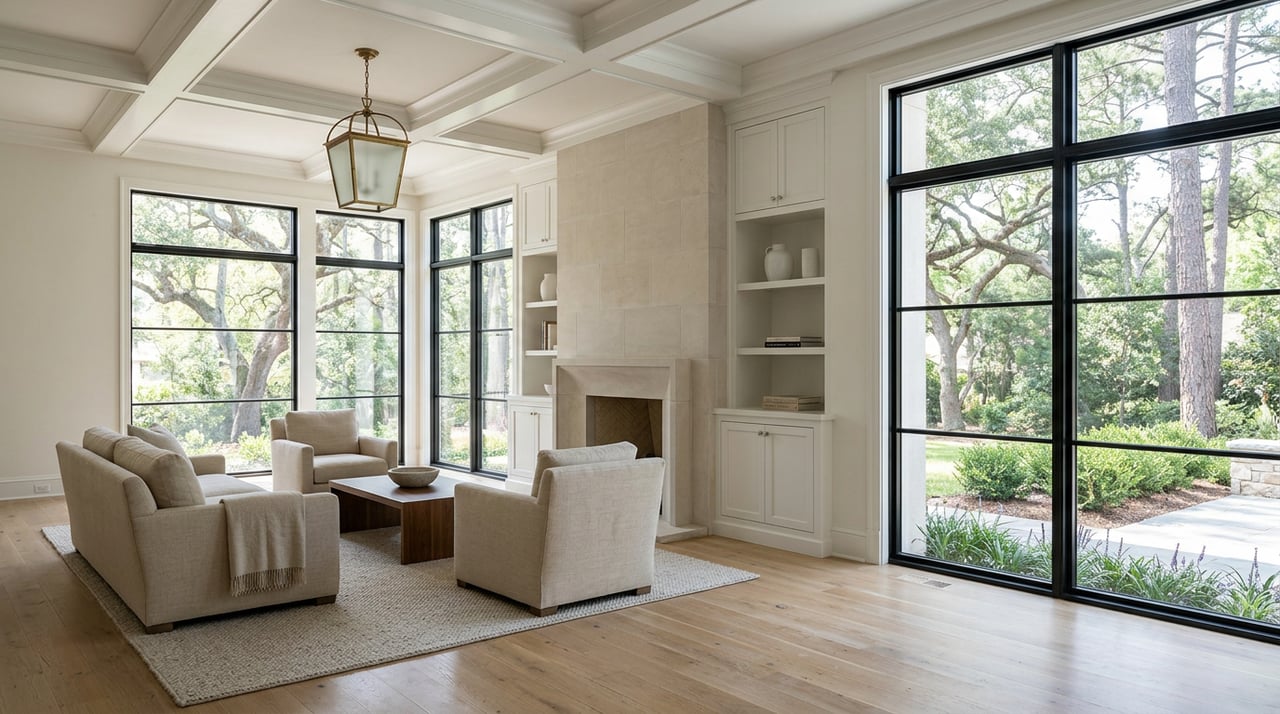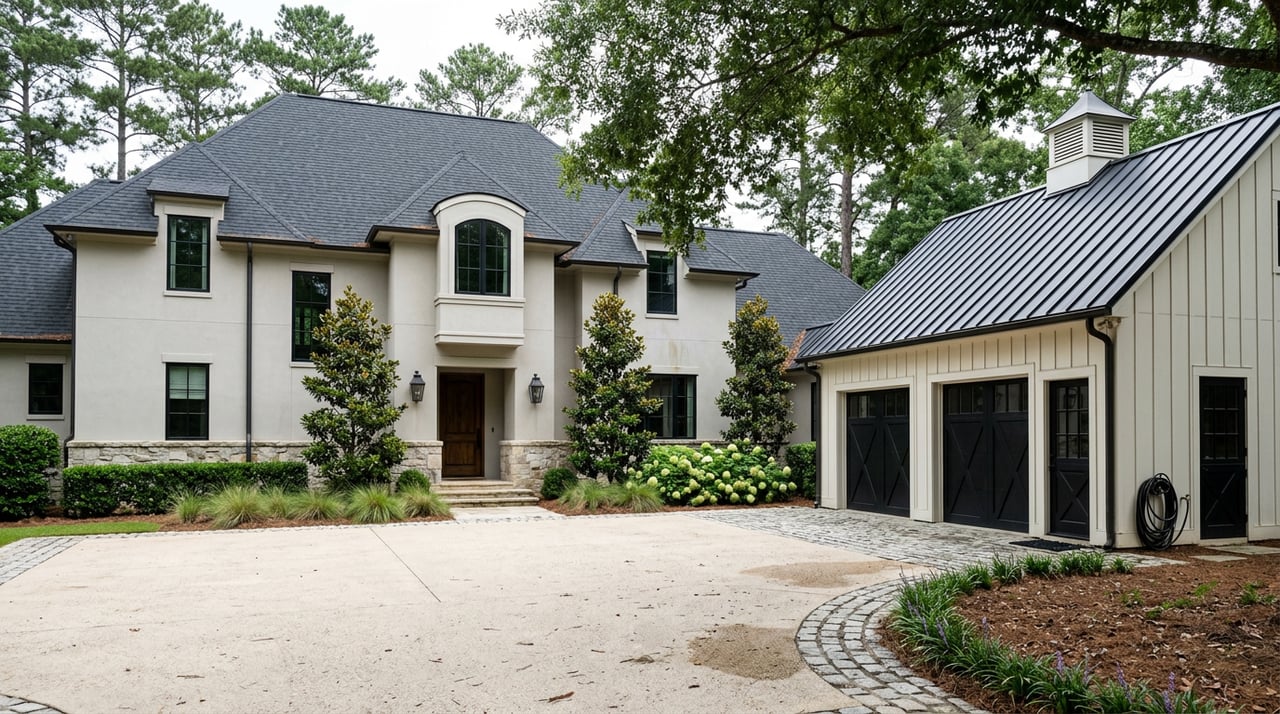
Wondering why two similar homes in Reynolds Lake Oconee can feel like completely different worlds? You’re not alone. In this master-planned lake community, neighborhoods vary by amenities, housing types, membership options, and even shoreline rules. In this guide, you’ll learn how the main enclaves differ, what to compare as a buyer, and the key questions to ask when you tour. Let’s dive in.
Reynolds Lake Oconee at a glance
Reynolds Lake Oconee is a large, master-planned community on Lake Oconee with private residential neighborhoods, multiple golf courses, marinas, clubhouses, and resort-adjacent areas. Think of it as a collection of distinct enclaves rather than one standard neighborhood. Differences often come down to amenity orientation, housing type, governance, and proximity to the lake or village services.
Neighborhood types buyers compare
Golf-oriented neighborhoods
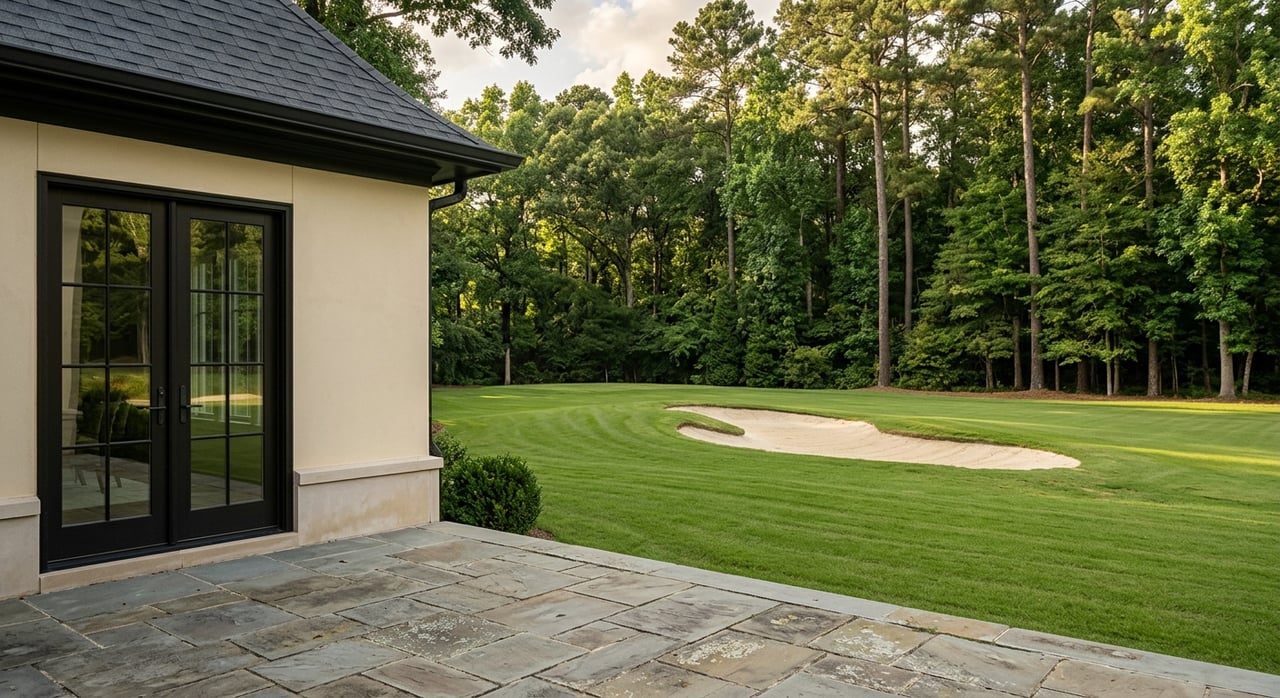
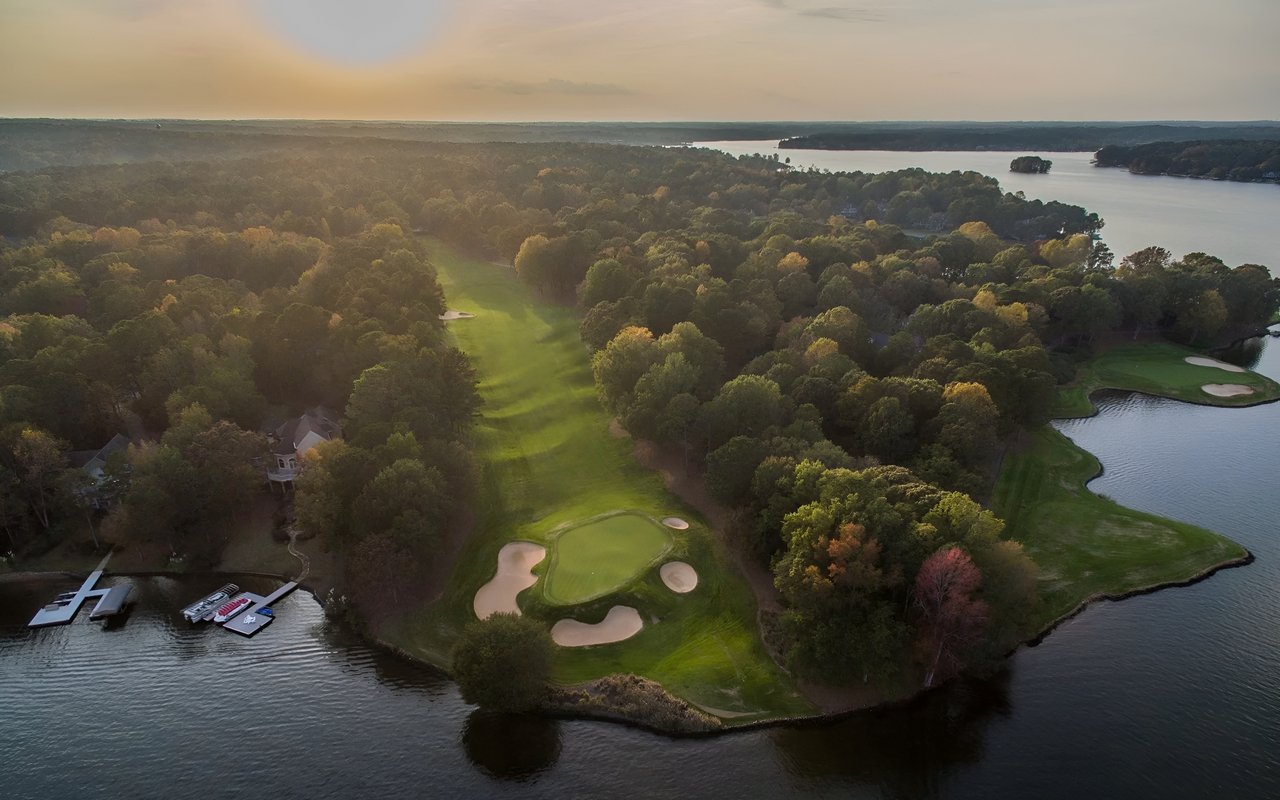
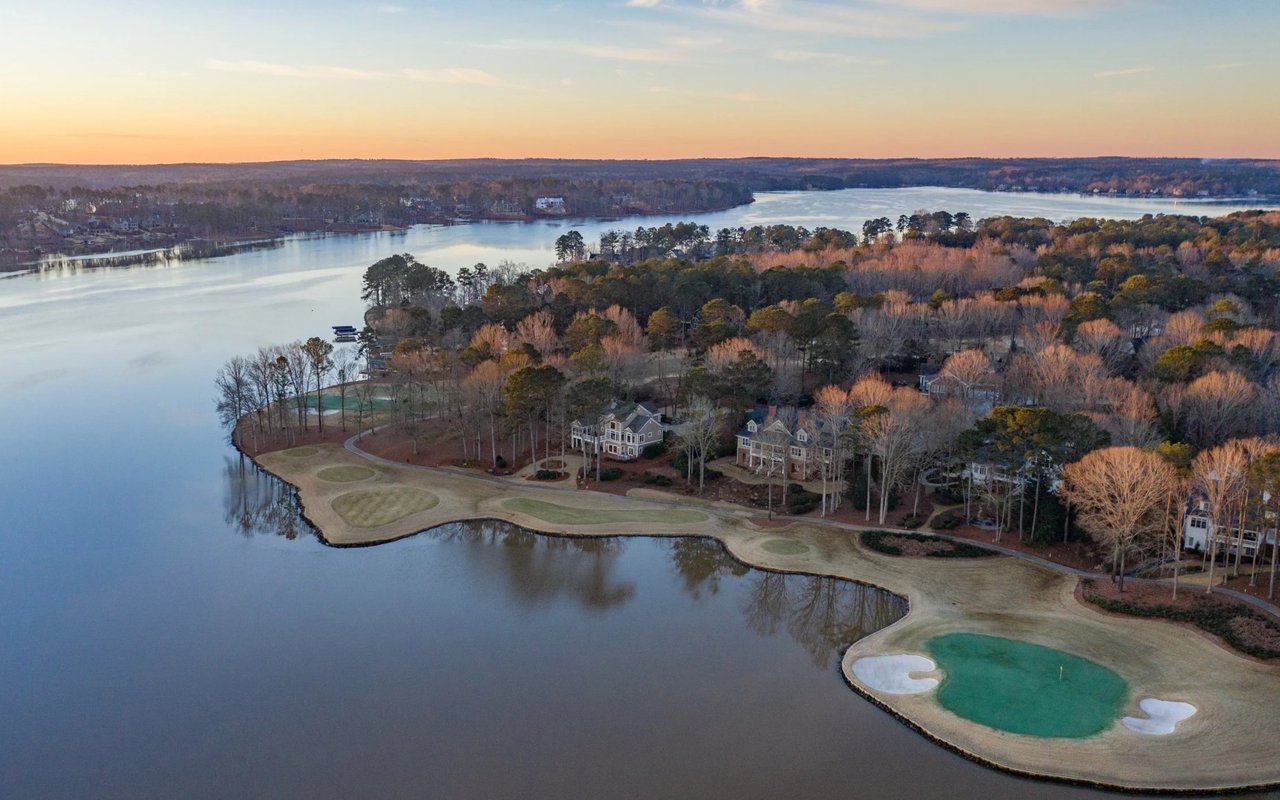
Homes here back to fairways or practice facilities and are close to clubhouses and golf programming. If you love the golf lifestyle, compare which club serves each area, whether membership is required or optional, and how tee-time access and guest policies work. Some sales include transferable memberships, while others do not.
Lakefront and lakeside areas
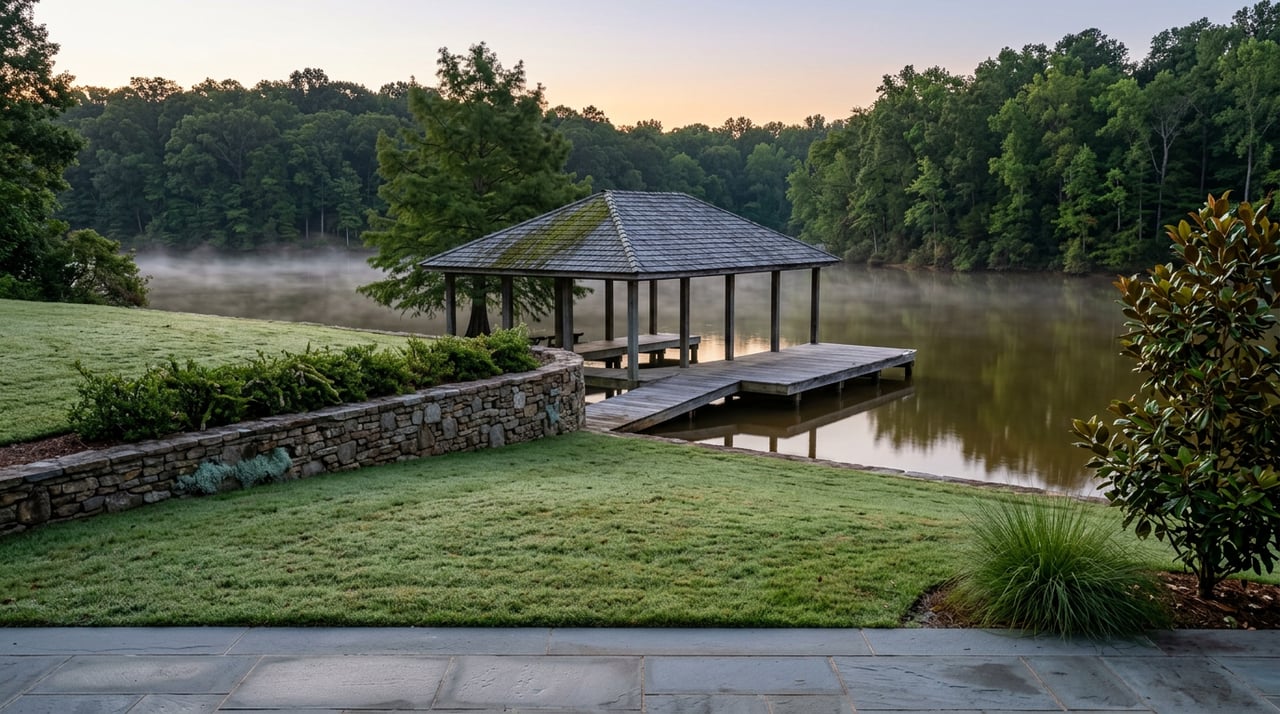
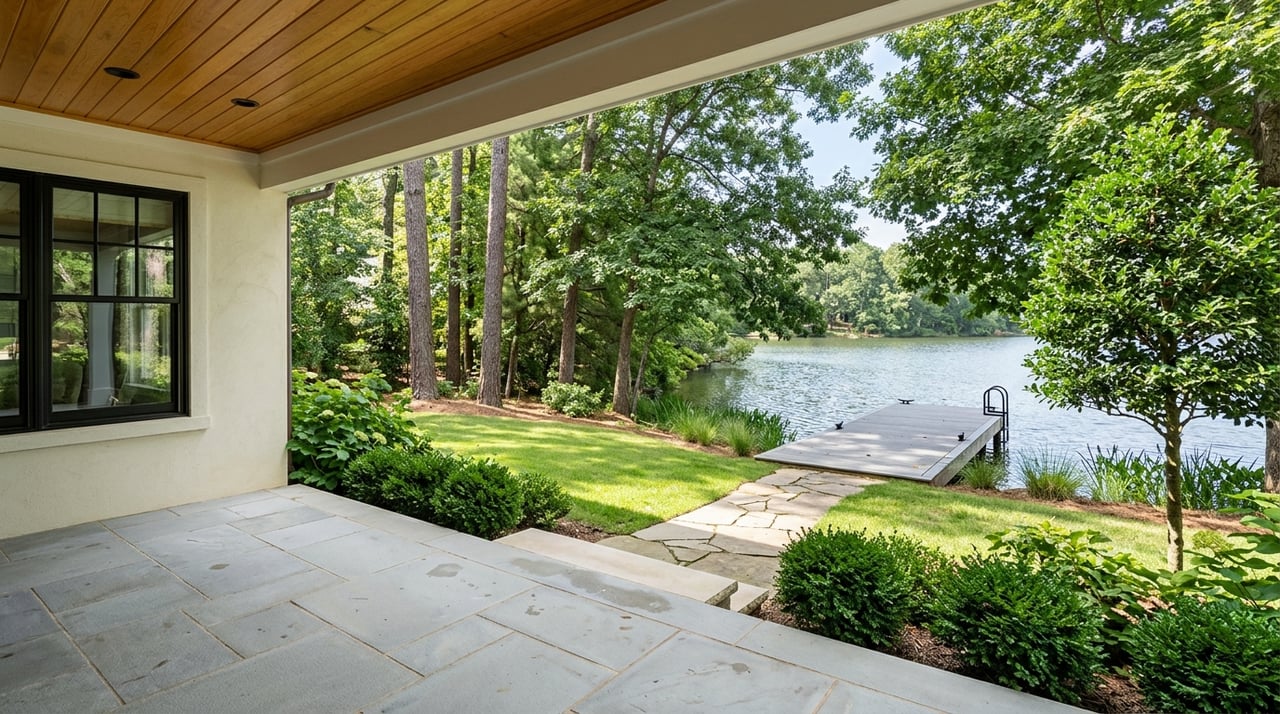
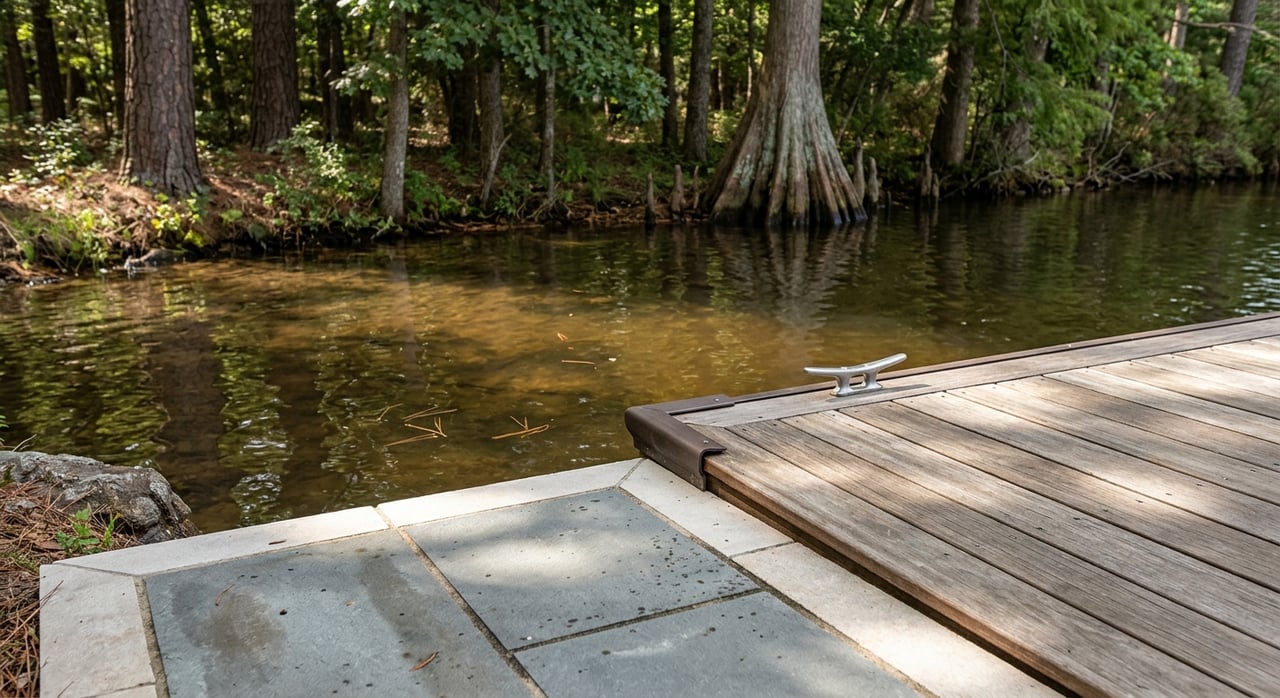
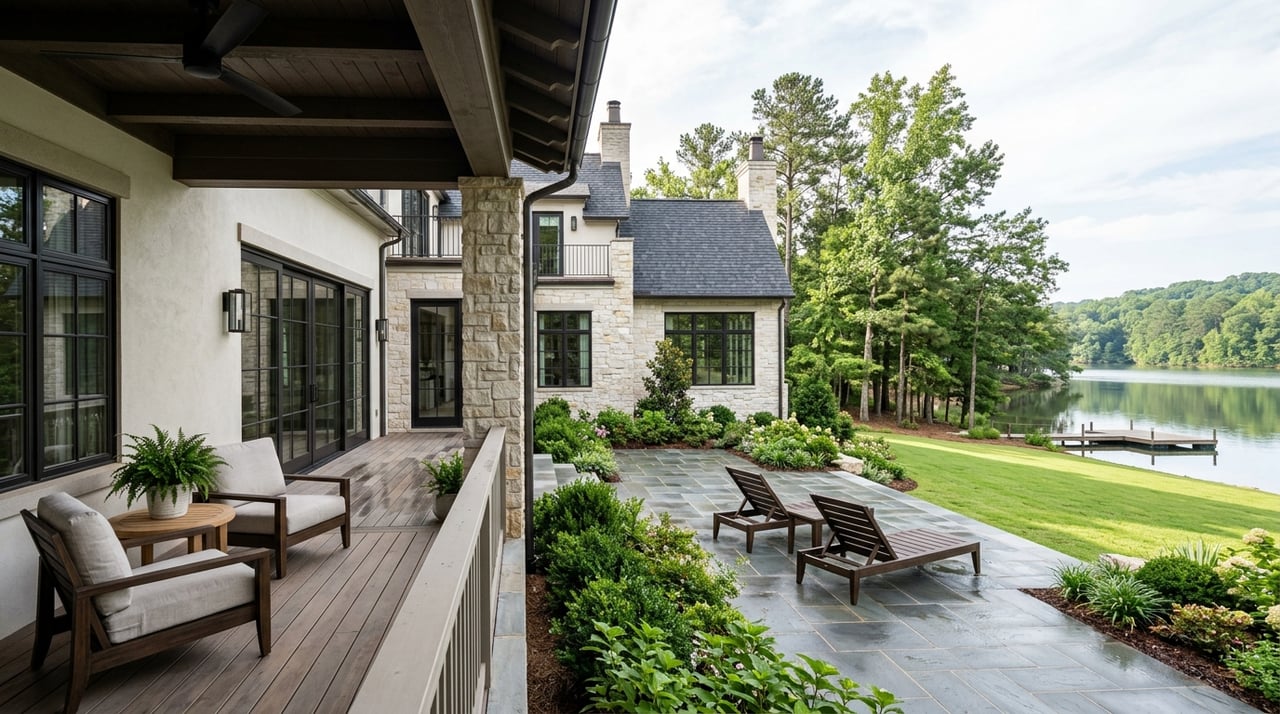
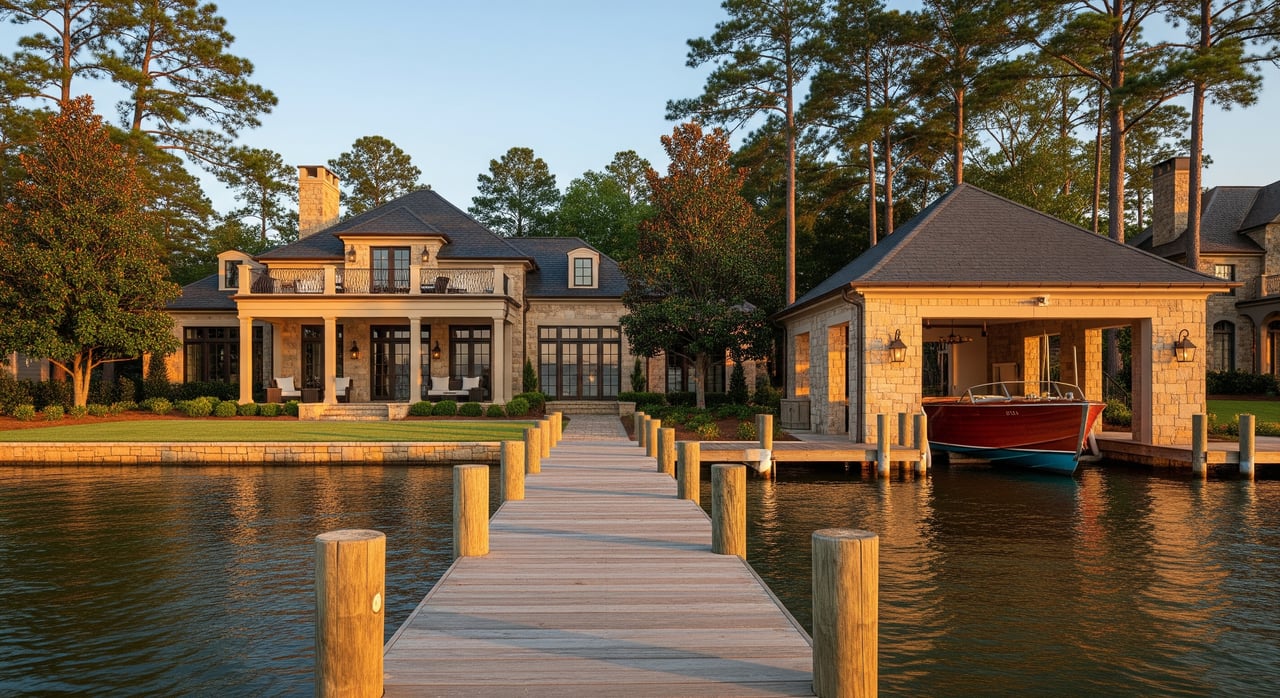
These properties prioritize water access, views, and boating. You’ll see a mix of private docks, community marinas, and deeded slip options. Compare shoreline topography, permitted dock designs, erosion control rules, and lake traffic patterns. Homes near marinas and open water can feel busier than quieter coves.
Village and resort-adjacent clusters
Closer to shops, dining, and resort amenities, these pockets often offer smaller lots and a more walkable feel. They can attract buyers who want convenience or a lock-and-leave setup. Confirm which amenities are open to members, what requires separate contracts, and any rules around short-term rentals.
Low-maintenance townhome and condo clusters
Designed for second-home owners, downsizers, and active adults, these areas usually include HOA-managed landscaping and exterior upkeep. Compare HOA services, fees, and any special assessments. Review rental policies to understand long- versus short-term allowances.
Estate and custom home enclaves
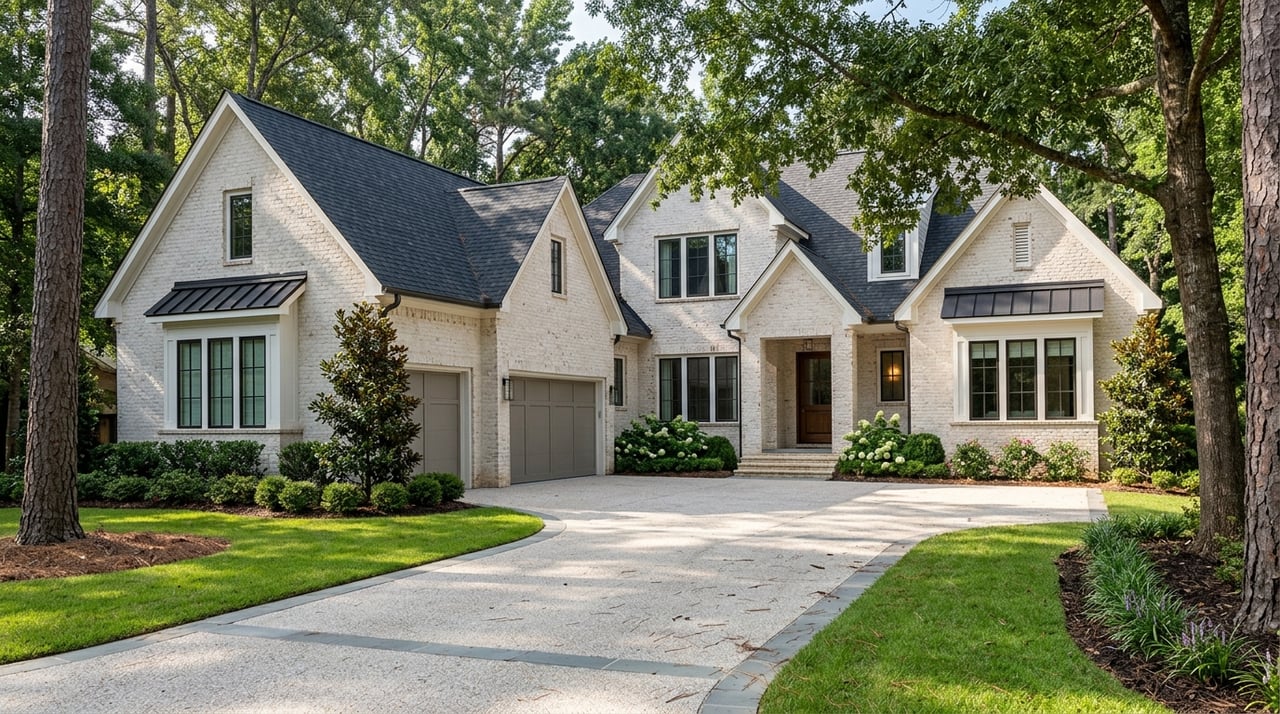
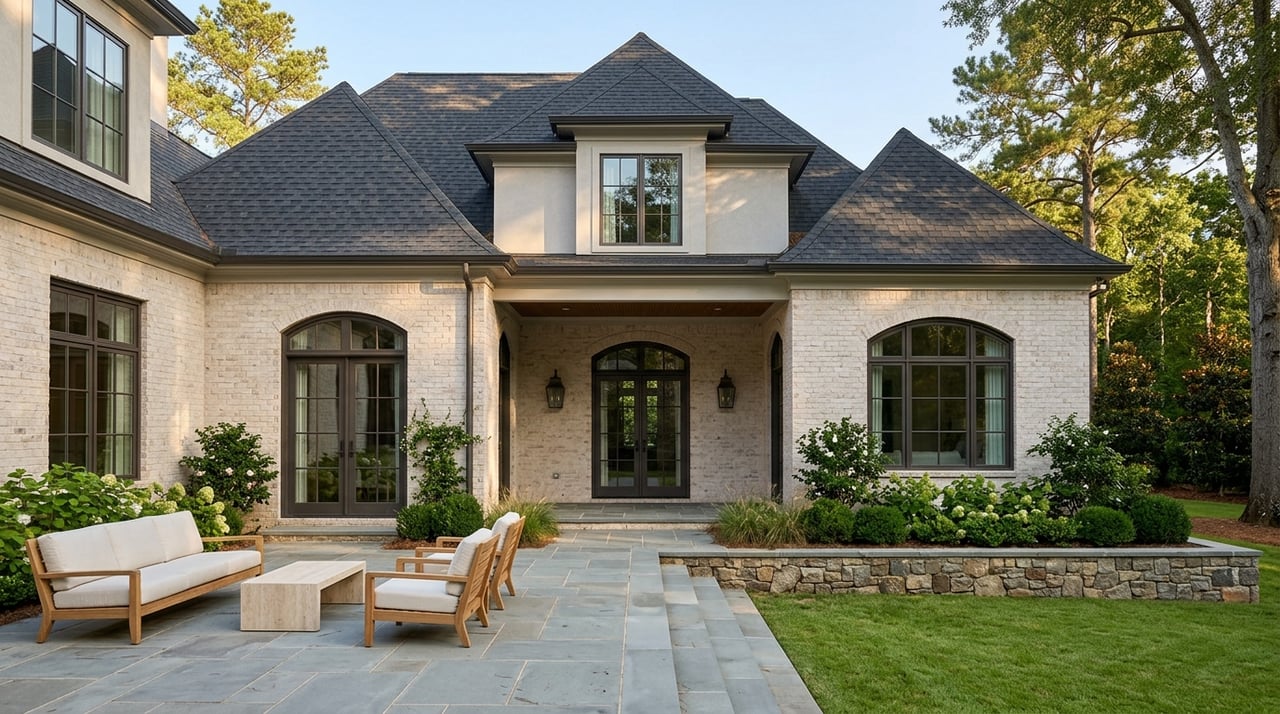
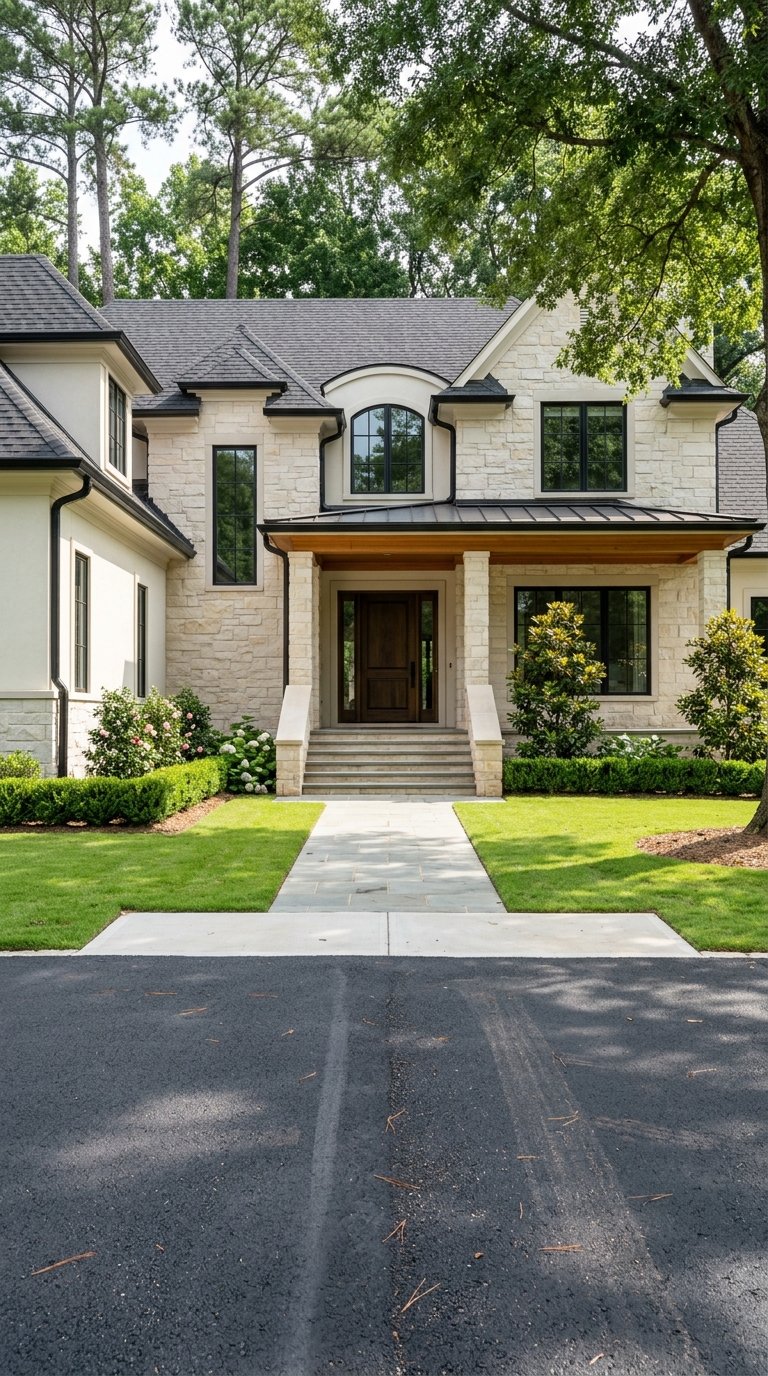
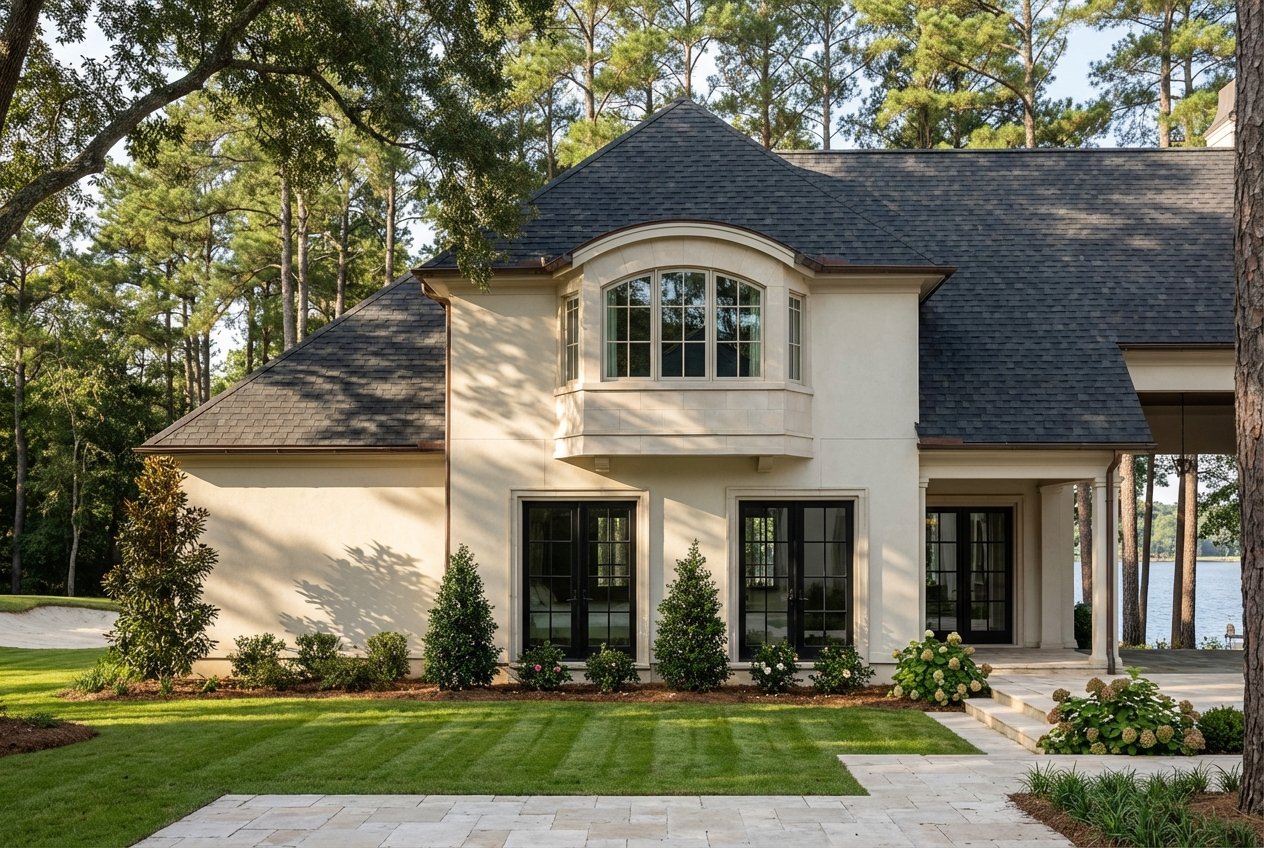
These neighborhoods feature larger lots, custom builds, and more privacy. If you want space and a tailored home, compare architectural review processes, utility access, and whether the lot is on sewer or septic. Access roads and driveway grades can also vary.
Mixed and transition pockets
Some areas blend cottages near the marina with larger homes nearby. If you want a mix of lake and golf access with diverse housing options, confirm how the different sections are governed and what each HOA covers.
What actually varies between neighborhoods
Homes and lots
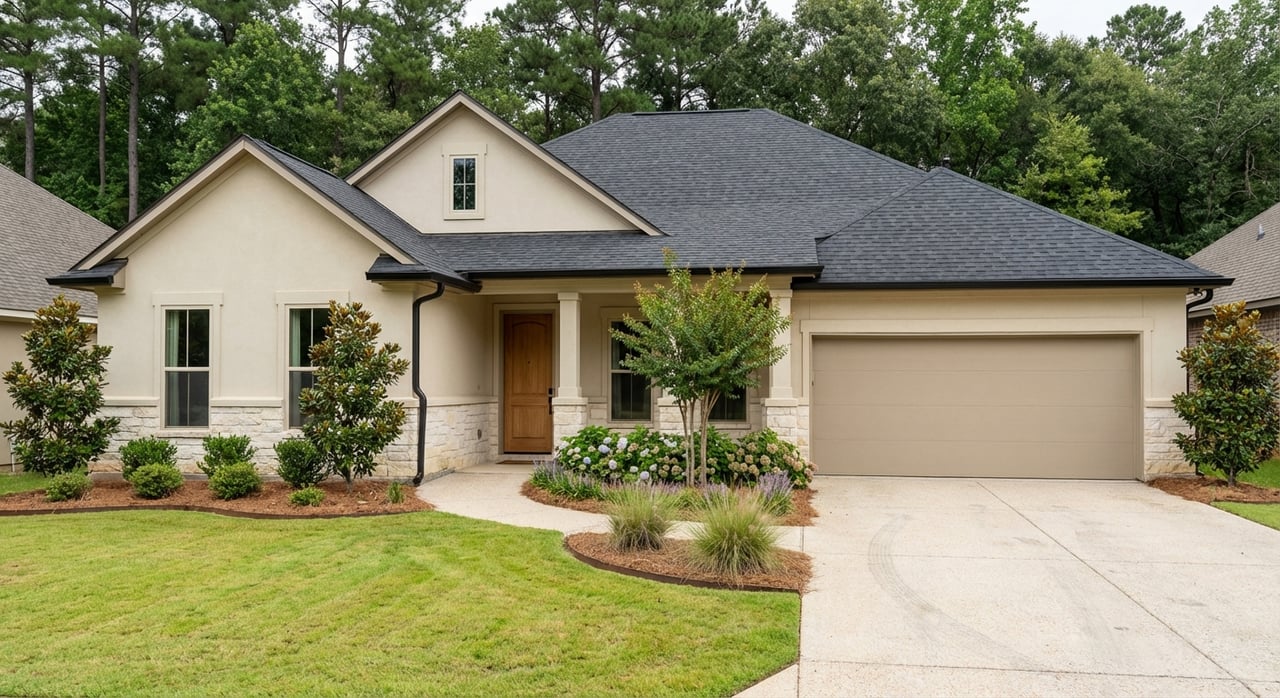
- Styles range from cottages and townhomes to traditional single-family and custom estates.
- Lot sizes and terrain vary, especially along the shoreline and wooded ridges.
- Construction ages span established sections to new builds with modern systems.
Amenities and access
- Proximity to clubhouses, golf, tennis, pools, marinas, fitness, and dining can differ block to block.
- Lake access options include private docks, deeded slips, or community marinas with possible waitlists.
- Onsite convenience varies, from village-adjacent areas to quieter outlying streets.
Governance and costs
- HOA structures, services, and dues differ by subdivision.
- Club memberships may be equity or non‑equity and can have initiation and annual fees.
- Capital projects and special assessments are neighborhood specific.
Use rules and rentals
- Short-term rental allowances vary, with some areas restricting or prohibiting them.
- Long-term rental rules may include minimum lease lengths.
- Architectural rules govern exterior changes and additions.
Utilities and services
- Some homes connect to municipal sewer while others use septic.
- Broadband and cell coverage can vary in rural lake areas.
- Road ownership (private vs county) affects maintenance and winter access.
Insurance and environmental factors
- Flood zone status can impact insurance requirements and premiums.
- Shoreline erosion rules and dock or boathouse permitting vary.
- Wetland and tree protection can influence site changes.
Location and commute
- Compare drive times to Greensboro services, Athens, Atlanta, Augusta, or Macon.
- Proximity to hospitals and emergency services can be an important consideration.
Touring checklist and questions to ask
Use this list to compare properties and confirm specifics before you write an offer.
Ownership and governance
- Is the home inside an HOA, and can you review current covenants, bylaws, financials, and recent meeting minutes?
- Are there pending or recent special assessments?
- Does a private club serve the neighborhood, and is membership required or optional? Are memberships transferable upon sale?
Lake and dock specifics
- Is there a deeded dock or recorded boat slip, and is it transferable? Where is it located?
- Who maintains docks and shoreline, and are there shared maintenance agreements?
- Are there shoreline easements or conservation restrictions that limit improvements?
Amenities and access
- Which amenities are included with the property or HOA, and which require separate membership and dues?
- Are there guest access rules, reservation systems, or usage caps for pools, tennis, and golf?
- Is nearby public access likely to increase traffic or noise?
Property condition and systems
- Is the home on septic or municipal sewer, and can you review inspection and maintenance records?
- What major updates have been completed for roof, HVAC, electrical service, plumbing, and foundation?
- Are there any open permits or code items to resolve?
Use, income, and resale
- What are the short-term and long-term rental rules in this neighborhood?
- What are typical days on market and resale trends for this specific enclave?
- Are there buyer restrictions or owner-occupancy requirements?
Insurance and risks
- What is the property’s current flood zone designation, and are there recent map changes?
- Are there known tree-fall or wildfire exposures that affect insurance?
Practical logistics
- What are trash, recycling, and bulk pickup schedules?
- Is the entrance gated, and how are guest passes handled?
- Who maintains roads during winter weather?
How to choose your best-fit enclave
Start with lifestyle priorities
List your top three must-haves. Examples include lake access, walkability to dining, golf club proximity, or low-maintenance living. Use this list to narrow to two or three neighborhood types.
Map your daily and weekly routine
Estimate drive times to groceries, healthcare, Athens or Atlanta trips, and favorite activities. A few minutes of proximity can change how you experience the community day to day.
Clarify membership and HOA numbers
Request current fee schedules, what is included, and any transfer policies. Compare what you get for the dues in each neighborhood.
Confirm site-specific realities
If lakefront, verify dock rights, shoreline permitting, and flood zone status. If building or renovating, review architectural guidelines and utility availability early.
Test connectivity
Confirm broadband options and cell coverage if you plan to work remotely or stream frequently. This can vary more than you expect.
Think ahead to resale
Ask for neighborhood-level sales data and typical buyer profiles for that enclave. Homes positioned well for lake, golf, or village access tend to attract broader demand.
Ready to compare neighborhoods side by side and tour with a focused plan? Reach out to schedule a consult with Robert Boatright for high-touch guidance through Reynolds Lake Oconee’s enclaves.
FAQs
What makes Reynolds Lake Oconee neighborhoods different?
- Enclaves vary by amenity focus, housing type, governance and fees, and proximity to lake, golf, and village services.
How does golf club membership work at Reynolds?
- Memberships are operated separately from HOAs, may be required or optional by area, and can include initiation fees, dues, and specific access rules.
Are all lakefront homes allowed private docks?
- No, lake access ranges from private docks to deeded or community slips, and permitting and shoreline rules can limit dock designs.
Are short-term rentals allowed at Reynolds Lake Oconee?
- Policies differ by neighborhood, with some limiting or prohibiting short-term rentals and others allowing them under specific rules.
What should I review about an HOA before buying?
- Request covenants, bylaws, financials, recent minutes, current dues, included services, rules enforcement, and any pending assessments.
How do utilities and internet vary around the lake?
- Some areas use municipal sewer while others are on septic, and broadband and cell coverage can vary by location and provider.