Ask five different sources what it costs to join the golf club at Cuscowilla, and you'll get five different shrugs. One membership site puts a range on it, then adds a disclaimer that the number is a guess and shouldn't be relied on for a real decision. Another simply says the club doesn't publicly disclose its fees. A third quotes a figure from a 2008 golf magazine review and calls it current. None of them can tell you why the number keeps climbing.
The answer isn't buried in a real estate listing or a membership office phone call. It's in a landscaping company's marketing case study.
The Paper Trail Nobody Selling Real Estate Has Read
BrightView Golf Maintenance, the contractor that has managed turf and grounds at Cuscowilla in recent years, published a case study on its own site describing what changed at the club and why. It's not real estate content. It wasn't written for buyers. But it's the clearest documented explanation of Cuscowilla's fee trajectory that exists anywhere online, and it comes with a name attached: General Manager Jarrod Clark.
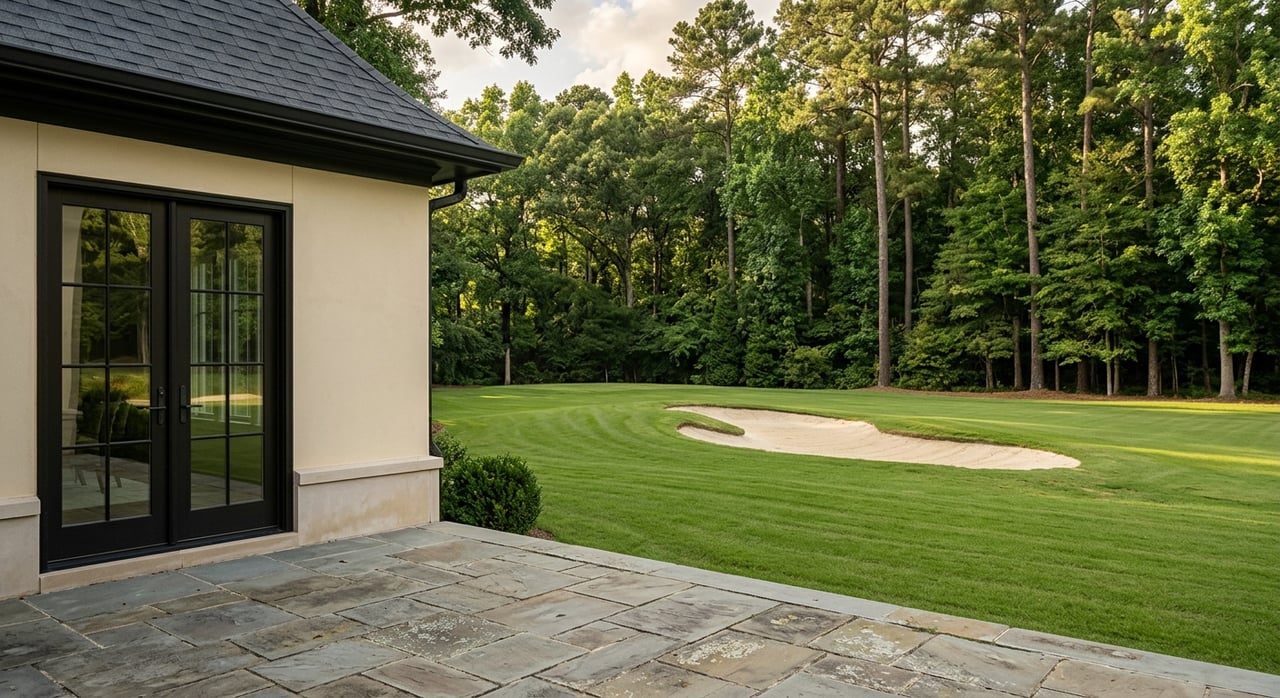
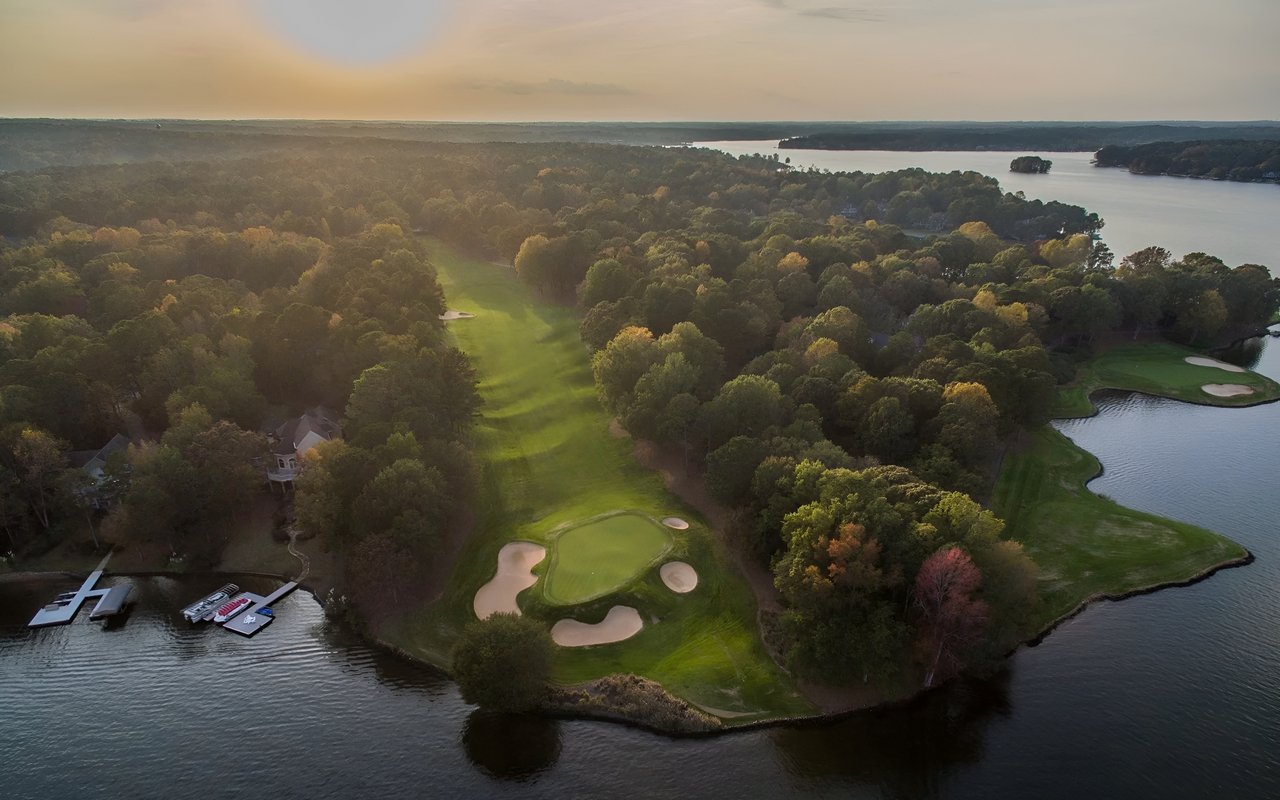
The story starts with a maintenance problem, not a marketing plan. Cuscowilla's Coore and Crenshaw design is known for its rugged, red-sand bunkers, a signature look created when Georgia's native red clay first washed into the original white sand. Over time, that same clay kept working its way in, contaminating the sand, killing drainage, and compacting the bunkers until they lost their intended shape. Separately, the club's maintenance equipment had aged past its useful life and wasn't suited to the turf conditions the course needed.
The fixes were specific and dated. New equipment, sourced through BrightView's buying power, went in first. A Champion Bermudagrass and TifGrand turf upgrade followed. Then came the bigger project: a bunker renovation coordinated between BrightView's in-house golf course architect, Erik Larsen, and Coore and Crenshaw's own team, to make sure the rework stayed true to the original design intent rather than just patching the problem. The crew finished five weeks ahead of schedule.
The result, according to the club's own account, was measurable. Member satisfaction scores went from around 6 out of 10 before the work to 9 or 10 after. Clark's explanation for what happened next is the part that matters to anyone pricing a home here:
"I have no doubt that the membership growth we're seeing has happened because of the improved course quality BrightView is delivering."
That's the mechanism. Better course conditions brought more members in the door, and a club that suddenly has more people who want in can raise what it charges to get in. BrightView's case study states plainly that Cuscowilla's leadership used that demand to raise dues roughly 10 percent a year over the past two years and to double initiation fees outright.
What "Doubled" Means When Nobody Publishes the Starting Number
Here's the friction for a buyer trying to do real math: doubling a number you don't know still leaves you with a number you don't know. Cuscowilla doesn't publish a fee schedule the way most Lake Oconee clubs do, and the estimates floating around online carry their own disclaimers admitting they're rumor-based rather than sourced from the club.
There's one data point old enough to be historical rather than current, but useful for showing the shape of the trend. A golf course review from the late 2000s noted that Cuscowilla's membership fees had climbed from $10,000 to $40,000 over the years up to that point, calling the monthly dues at the time "incredibly reasonable" for a club of that caliber. That figure is nearly two decades stale and should not be treated as anything close to what the club charges today. What it does confirm is that Cuscowilla's fee growth isn't a sudden 2026 phenomenon. It's a long-running pattern that the BrightView case study shows has recently accelerated, tied directly to a specific round of course reinvestment rather than to inflation or general market drift.
For a buyer, that distinction changes what the rising cost signals. A club that raises fees because it can, without anything backing the increase, is pricing scarcity alone. A club that raises fees after a documented equipment overhaul, a turf upgrade, and an architect-supervised bunker rebuild is pricing an asset it just put money into, the same asset that anchors the value of every home built around it.
A Different Kind of Membership Model Next Door
Compare that to how Reynolds Lake Oconee, just across the water, handles the same question. Reynolds publishes its structure. As of its most recently published fee schedule, effective for 2025, initiation runs $45,000 for Silver, $90,000 for Platinum, and $135,000 for the top Reserve tier, which is the only level with access to the club's newest course. Membership costs are reviewed and can move annually, so a buyer should confirm the current number directly with the membership office before writing an offer, but the structure itself is public and consistent. Every buyer applies for their own membership, the seller's membership never transfers, and the fee has to be paid on or before the day of closing or the property can lose its eligibility for membership going forward.
Cuscowilla operates in the opposite direction. There's no published tier sheet to check against, no closing-day deadline spelled out in a public document, and no way to independently verify a number before you're deep enough into a purchase to ask the club directly. The BrightView case study is the closest thing to a public record of what's actually happening to that cost, and it only tells you the trend, not the dollar figure.
That's a real difference in how a buyer should approach each community. At Reynolds, you can build a membership line item into your offer math from a website. At Cuscowilla, you're pricing a moving target that only the club itself can confirm, and the best public evidence for which direction it's moving comes from a landscaping contractor's press release rather than anything the club or a broker publishes.
Pricing What You Can't Get a Rate Sheet For
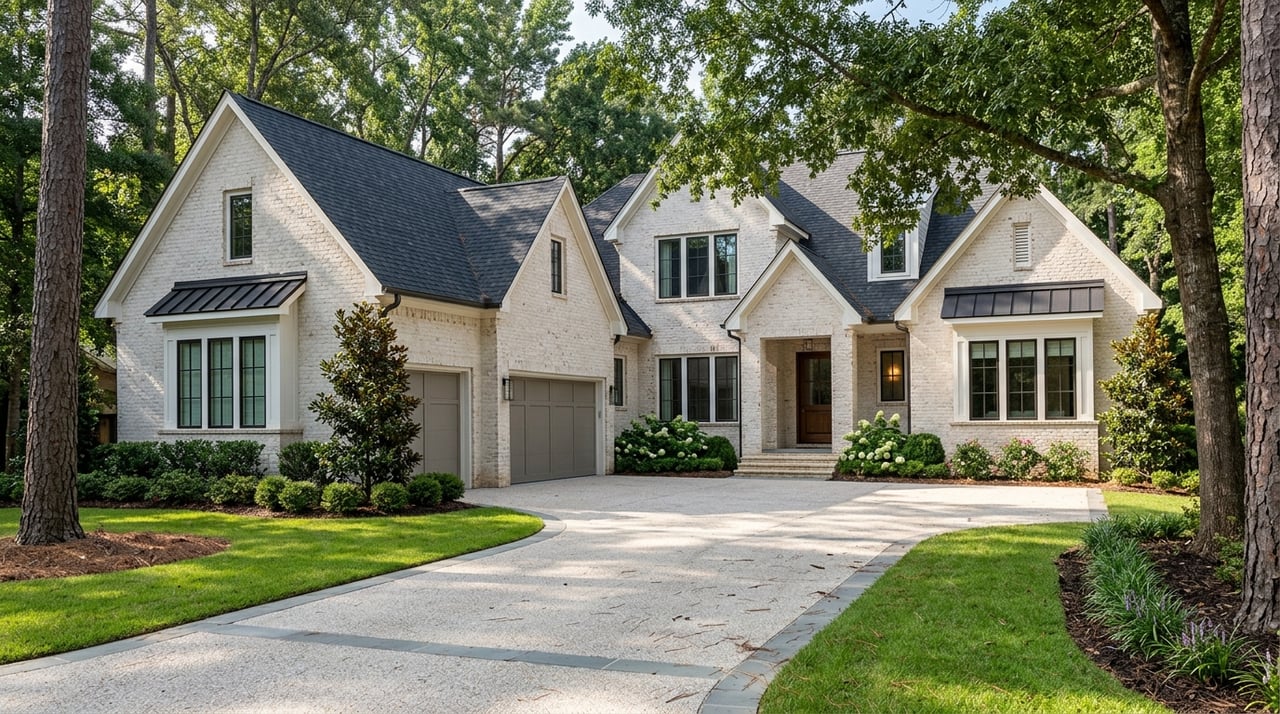
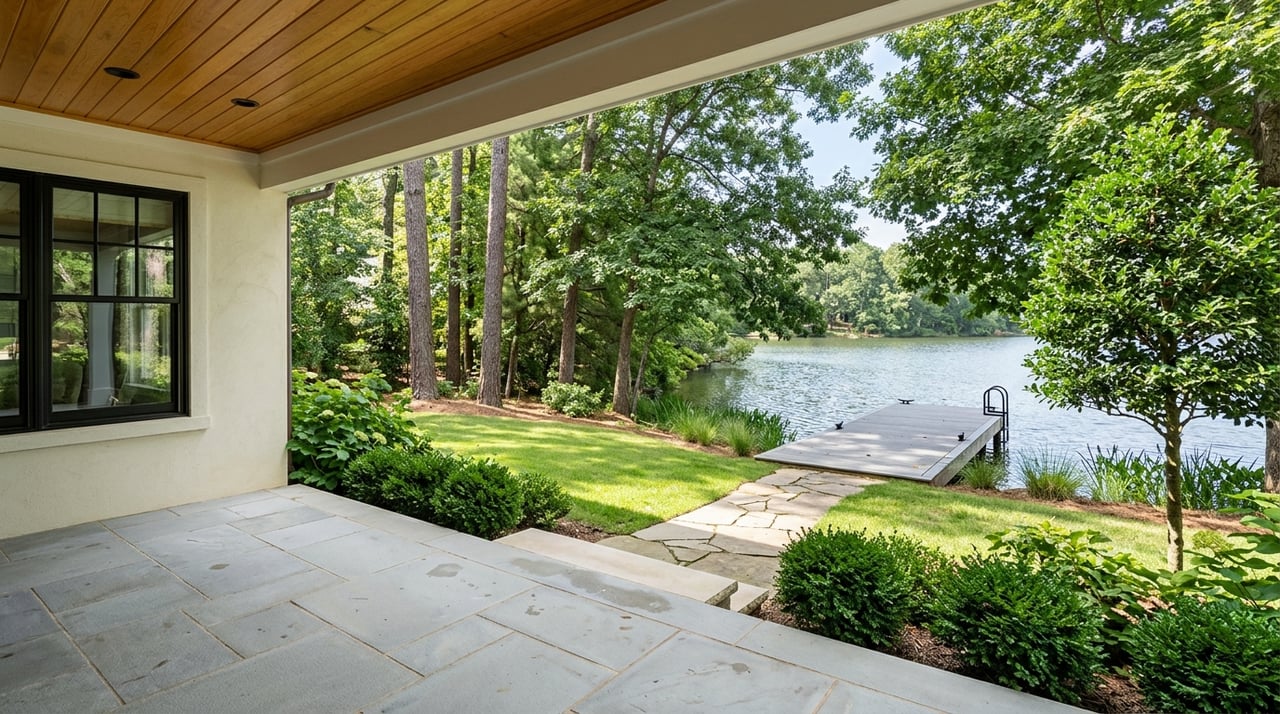
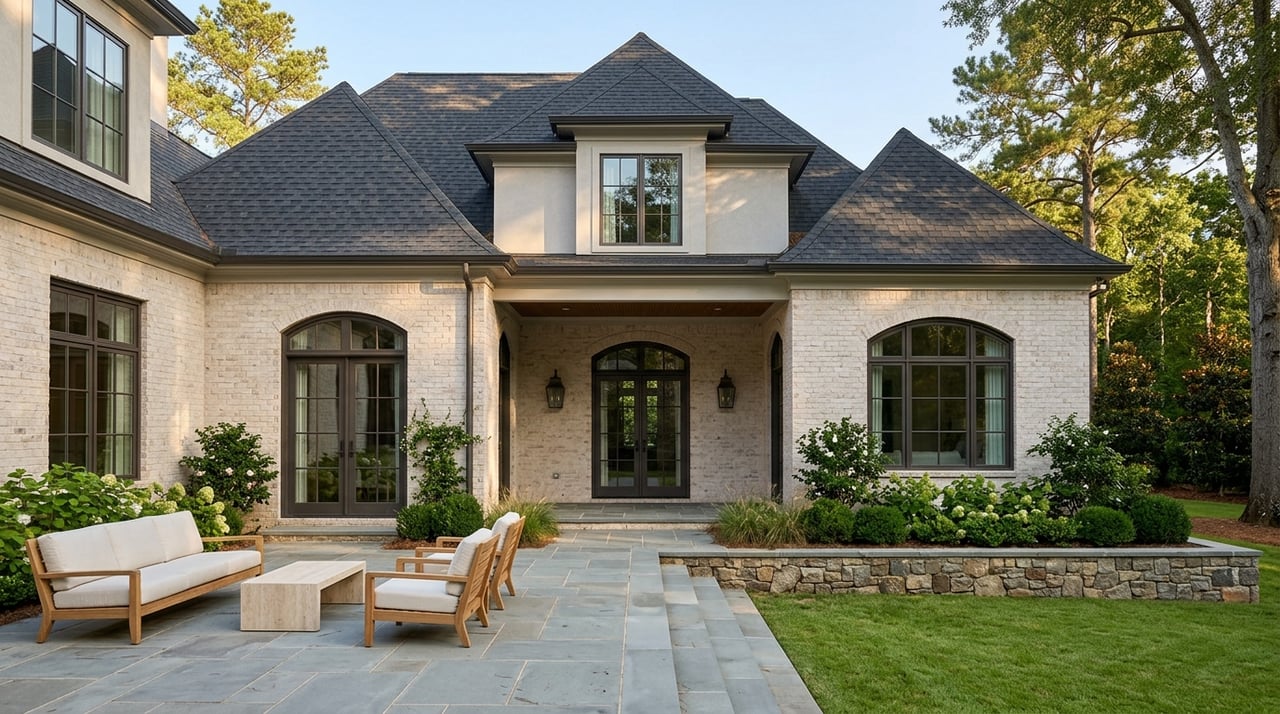
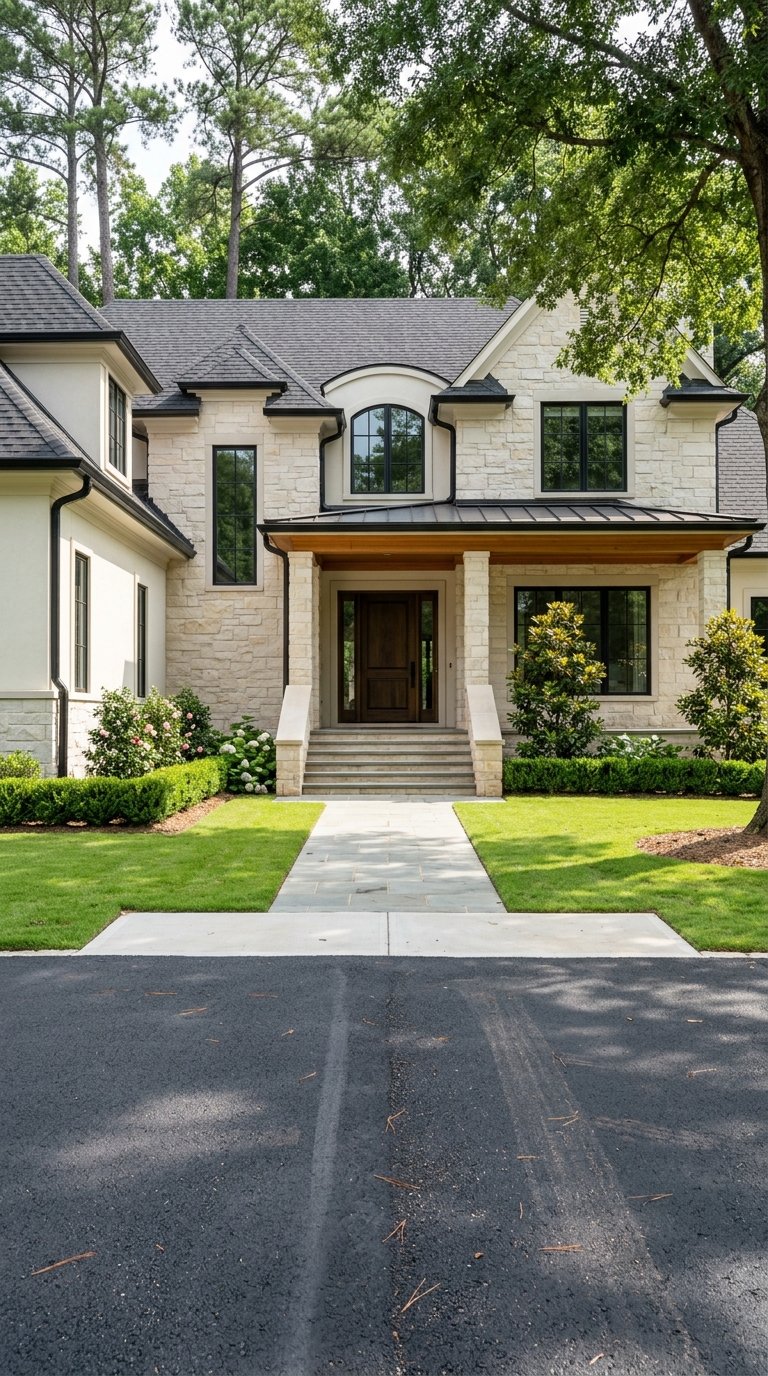
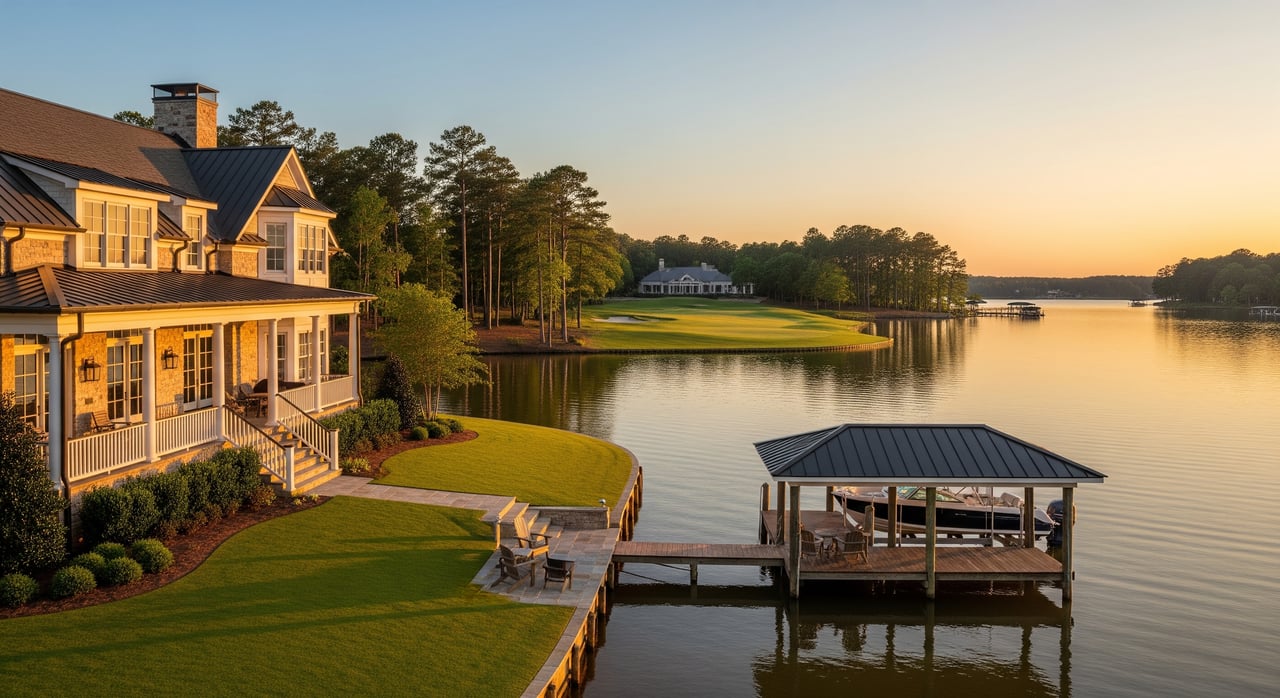
The rest of the numbers are easier to pin down. Current listings put Cuscowilla home prices typically between $800,000 and $3 million, spanning golf-course cottages up through custom lakefront estates on the community's roughly 700 acres along Lake Oconee. HOA dues run in the range of $3,000 to $6,000 a year, covering the community's shared infrastructure and amenities. Property taxes fall under Putnam County, generally around 1 percent of assessed value, separate from anything owed to the club.
None of that includes the golf club initiation fee or annual dues, and unlike Reynolds, there's no rate sheet to check before you call. If golf access matters to your plans for the property, the practical move is to contact the Cuscowilla membership office directly, early in your search, and get the current number in writing rather than working from an online estimate that carries its own disclaimer. Given the trend the club itself has documented, waiting to ask isn't a cost-neutral choice.
What the Investment Is Actually Buying
The same case study that explains the fee increases also states where the club's ranking stands today: No. 1 residential golf course in Georgia, No. 25 nationally, and No. 5 among all private clubs in the state. Golf Digest's course profile credits the design's rhythm and variety, from the drivable, split-fairway 5th to the closing stretch of 15 through 17, as the reason Cuscowilla has held its place among Coore and Crenshaw's best early work.
That context matters because it means the rising membership cost isn't disconnected from what buyers are actually getting. It's tracking a specific, dated reinvestment cycle in the one shared asset that underpins every home value in the community. For someone weighing Cuscowilla against a Reynolds tier or a Harbor Club membership, the useful question isn't just which club costs more right now. It's which club's cost structure you can verify before you commit, and which one is asking you to trust a trend line with no published starting point.
Is Cuscowilla club membership required to buy a home there? No listing or club document in the current record ties home ownership to a mandatory membership requirement the way Reynolds does. Confirm current policy directly with the Cuscowilla membership office, since private club rules can change.
Can a buyer negotiate the initiation fee as part of a home purchase? That's a conversation for the membership office, not the closing table. Because Cuscowilla doesn't publish a fee schedule, any number quoted during a transaction should be verified in writing before it factors into an offer.
If you're comparing Cuscowilla against Reynolds, Harbor Club, or another Lake Oconee community and want help pricing what each one's membership structure actually means for your budget and your resale plans, Boatright Realty Group can walk through the current numbers with you before you write an offer.