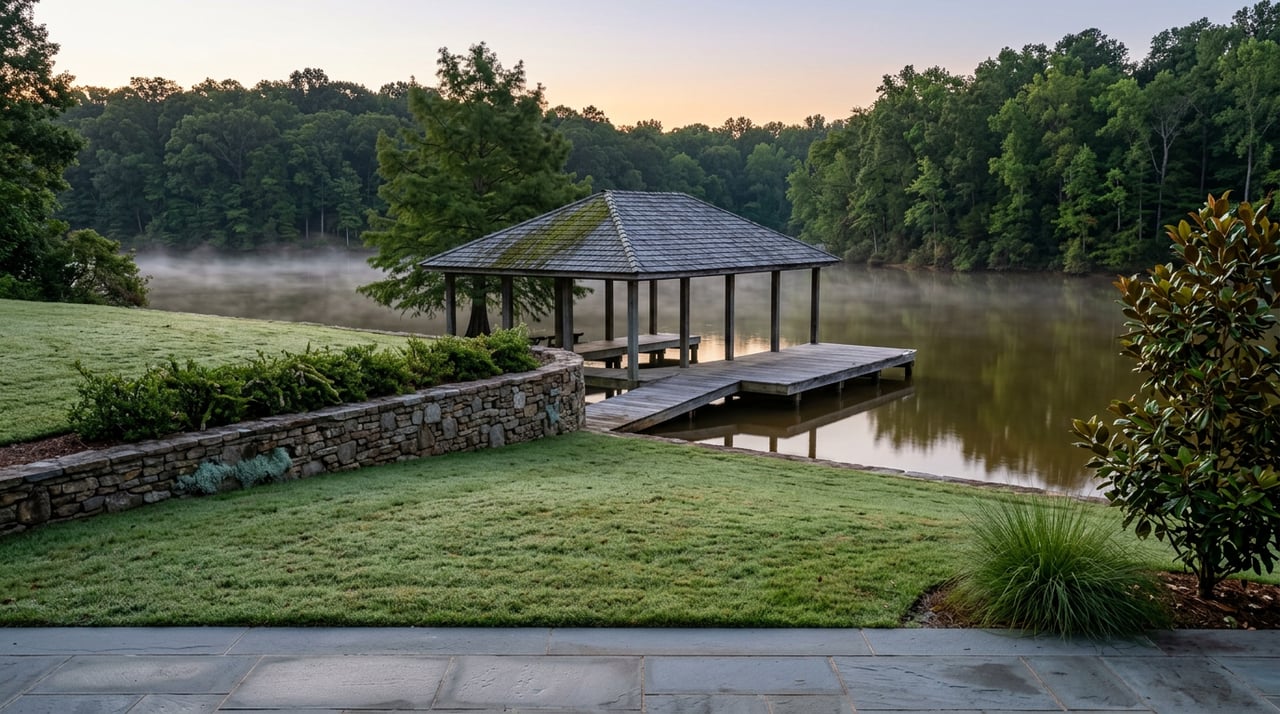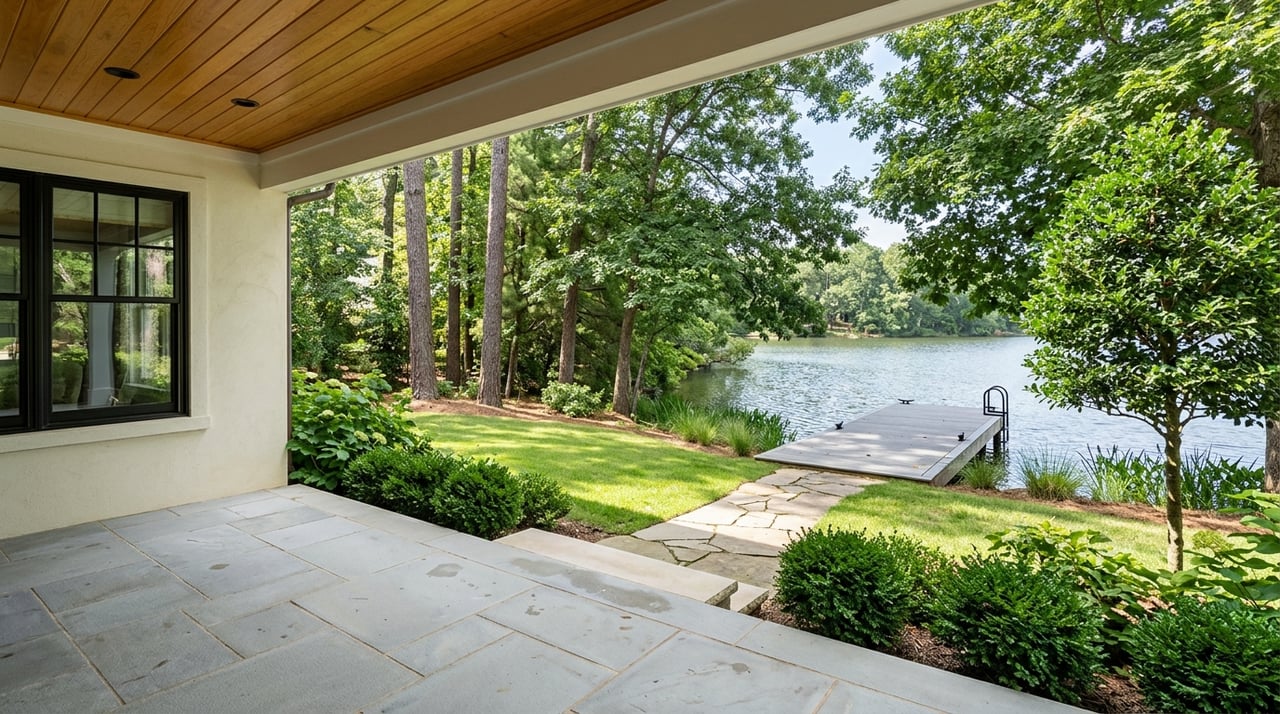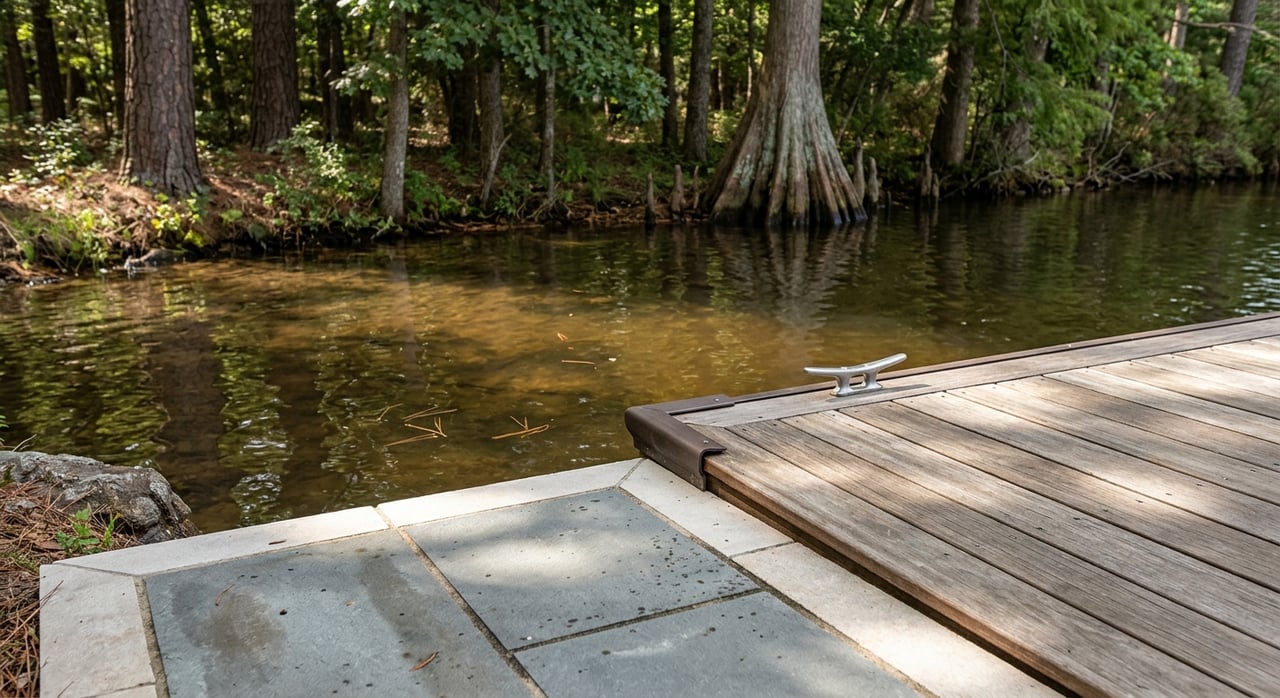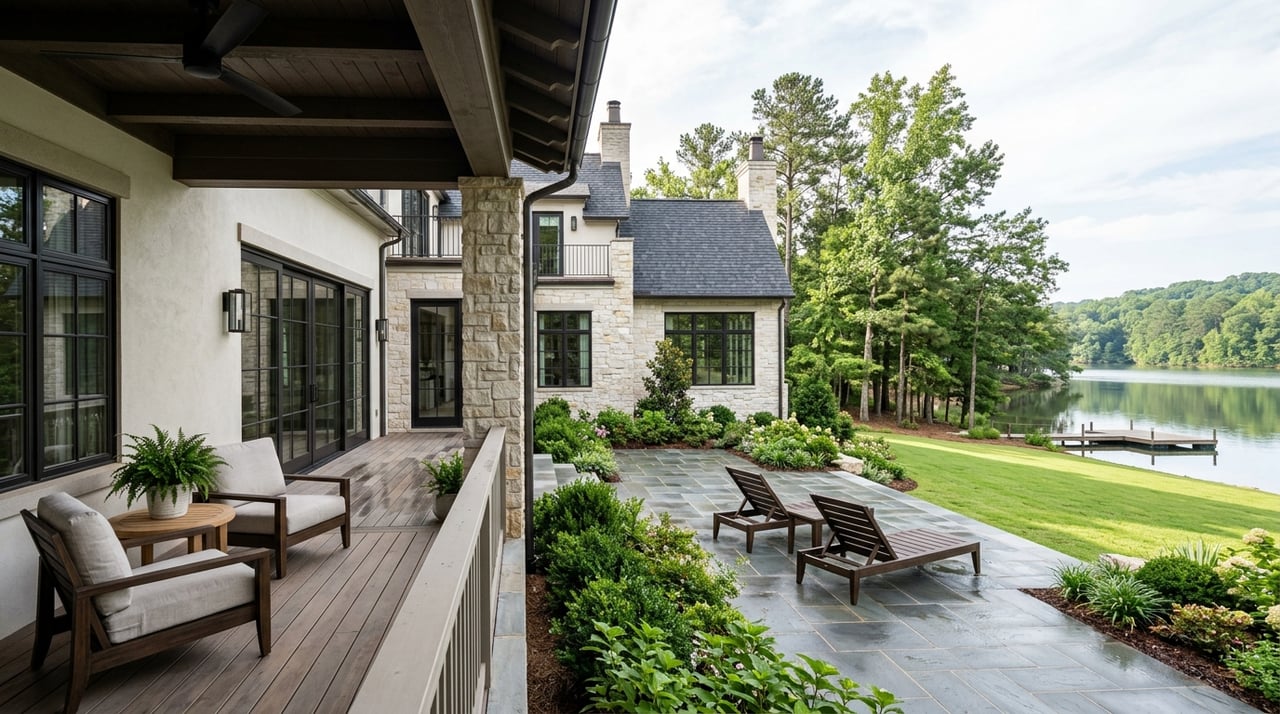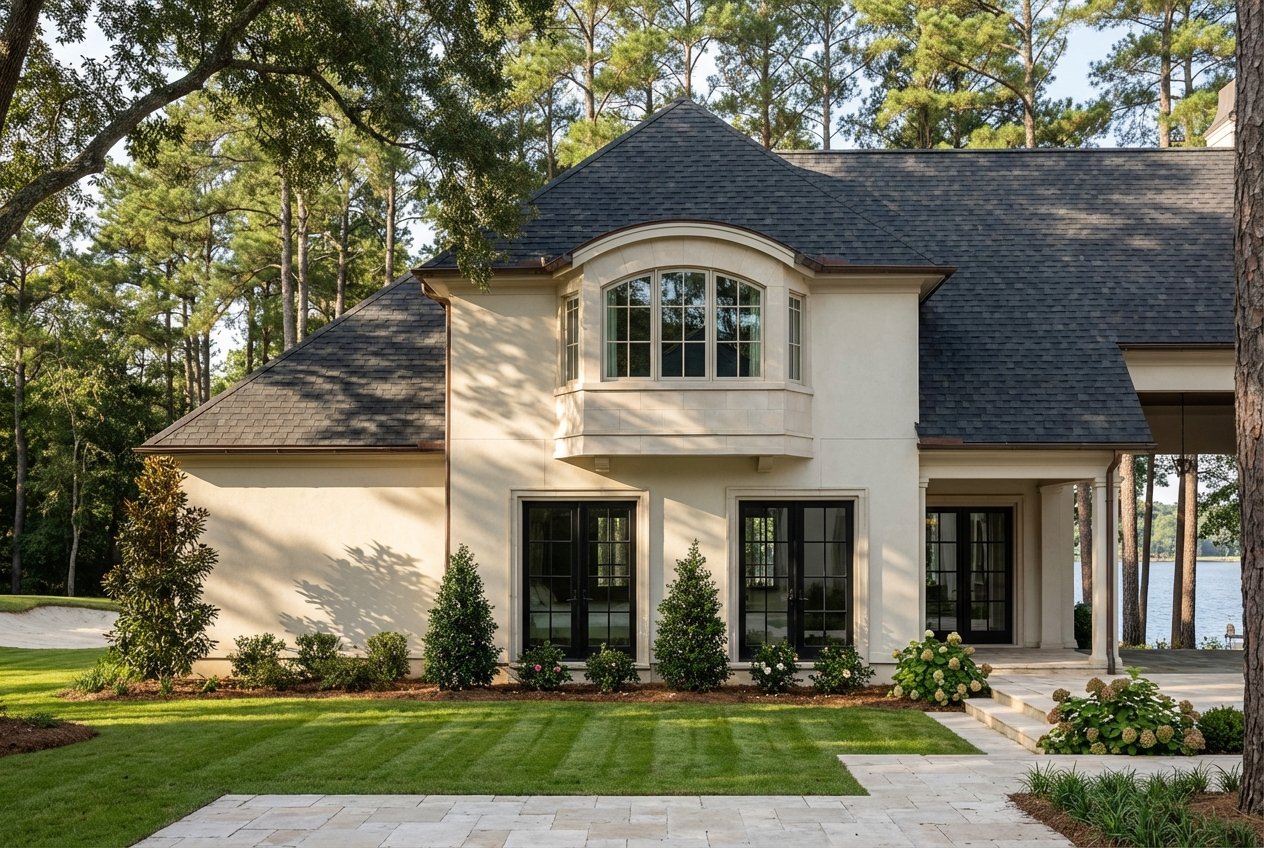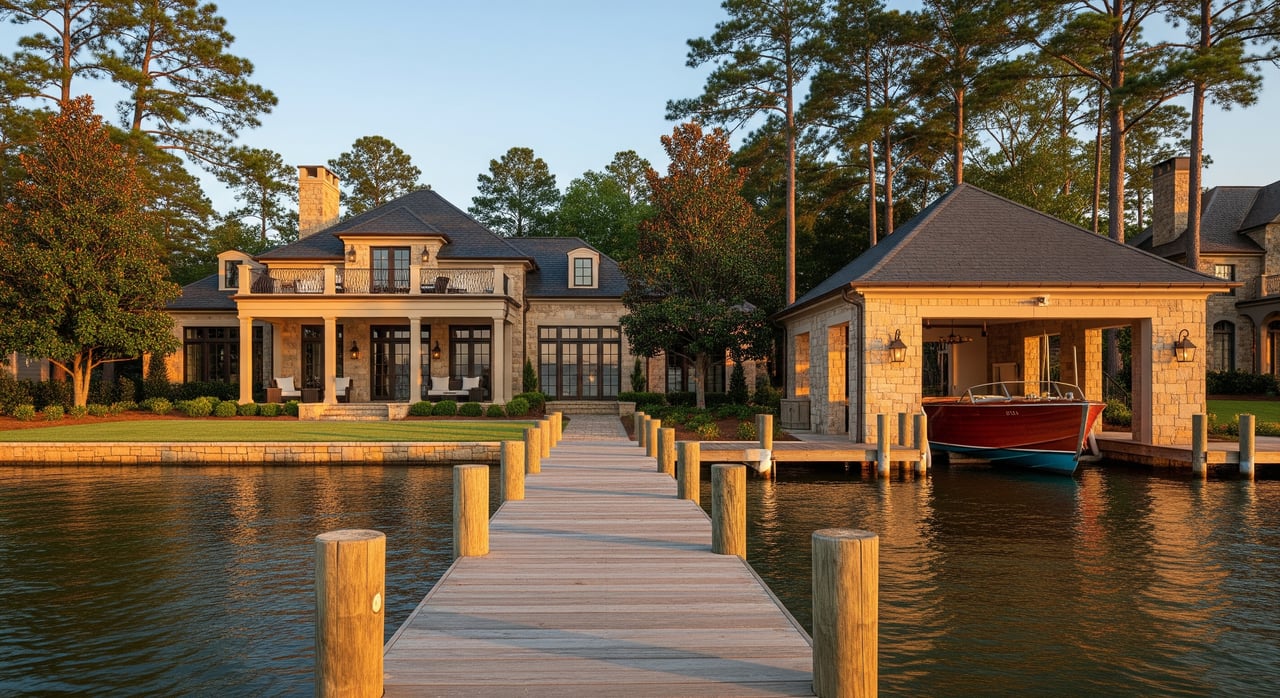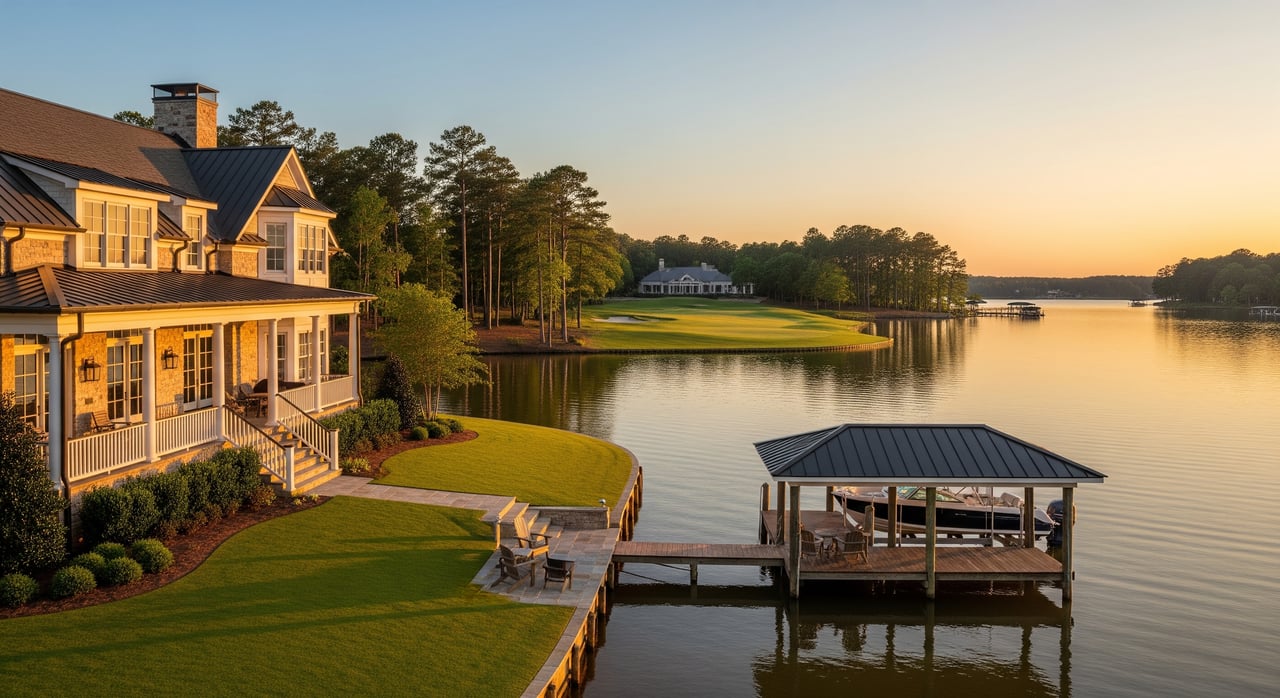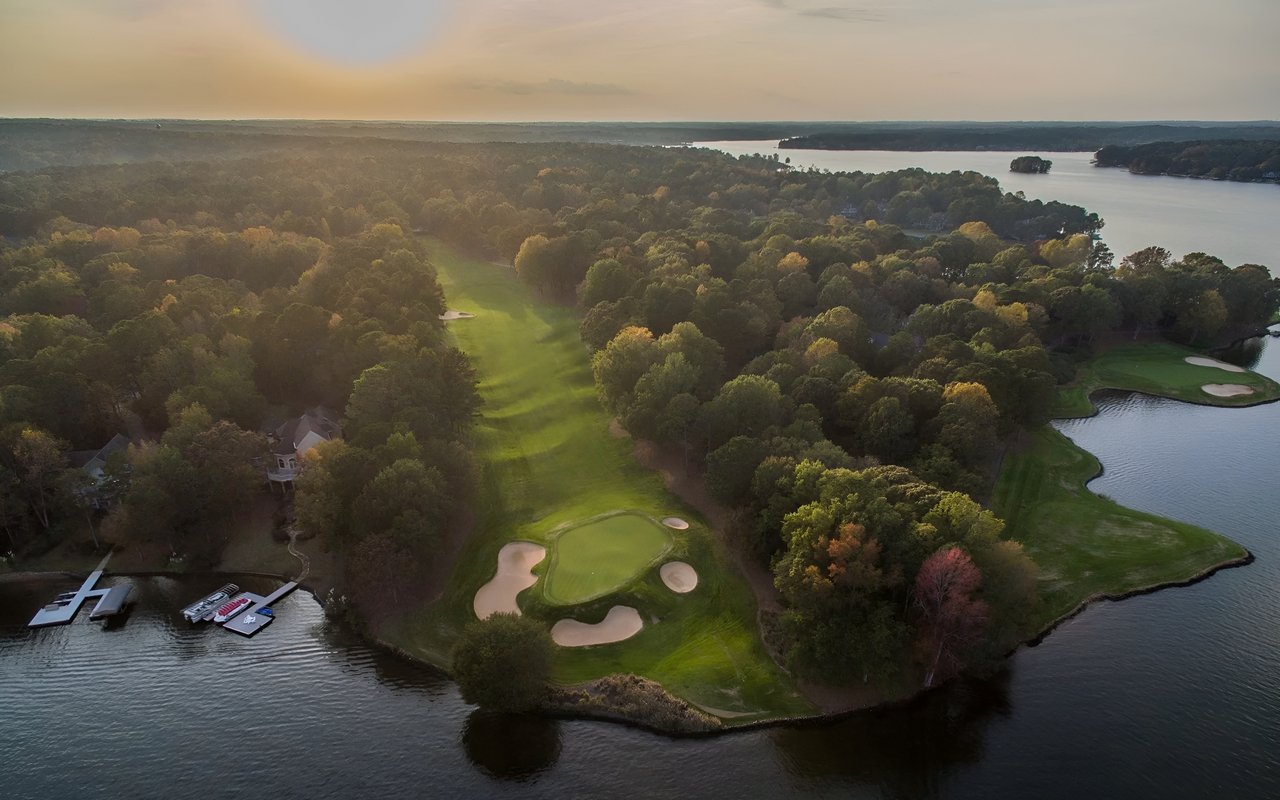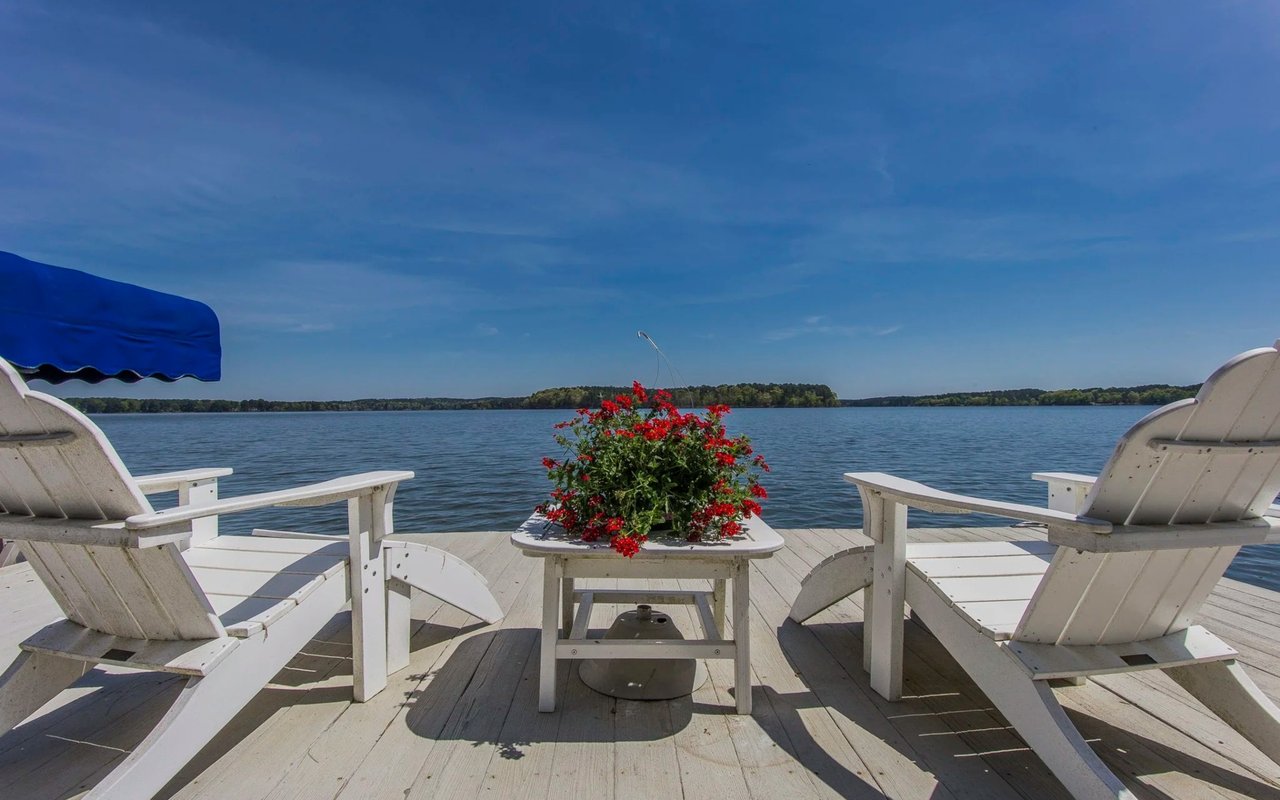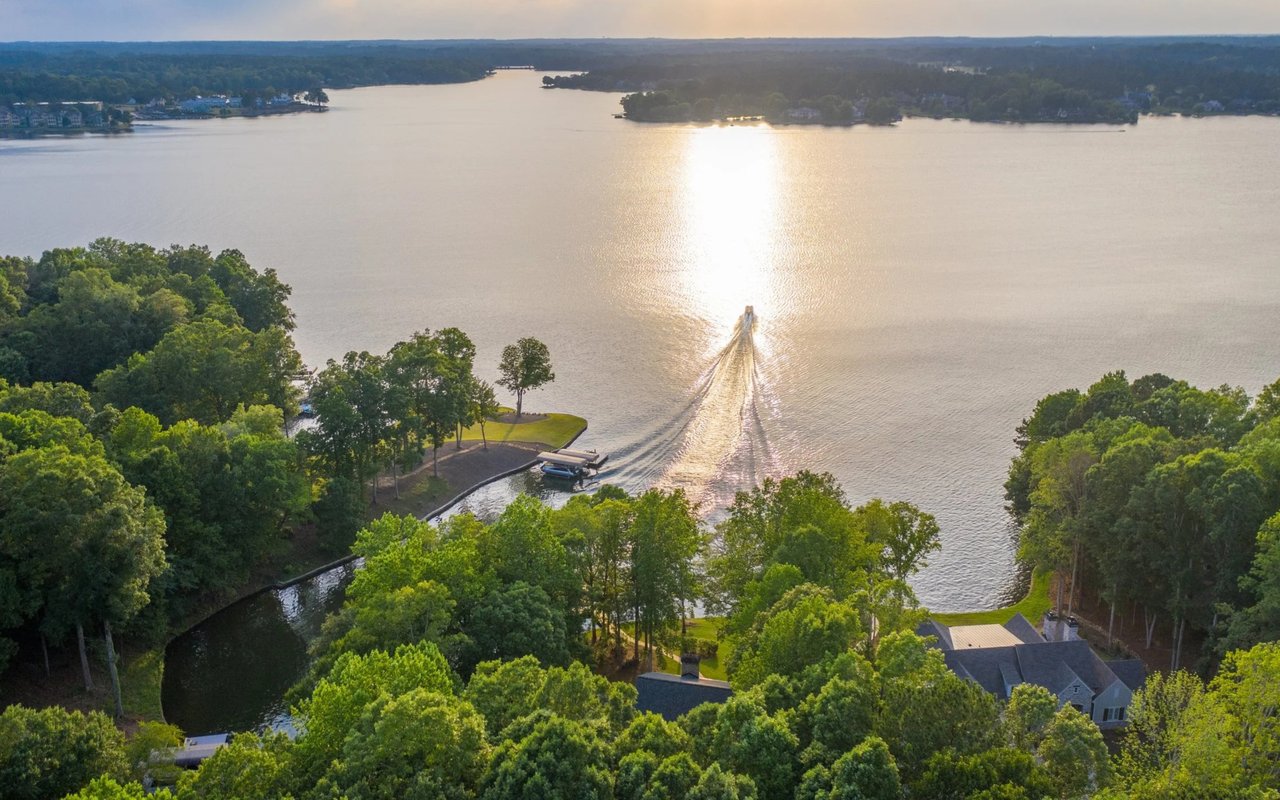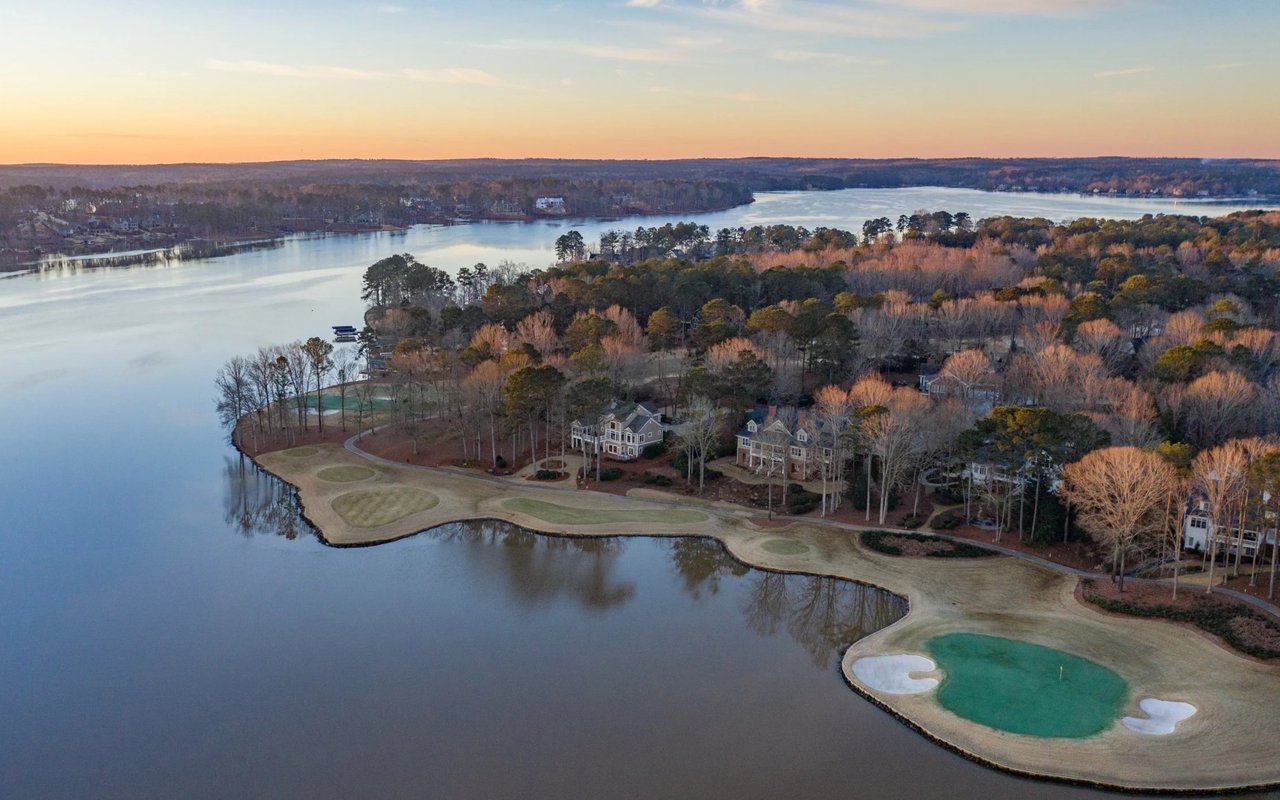
A buyer touring a lakefront listing in Great Waters usually asks the same questions: how deep is the water off the dock, does the slip fit a wake boat, what's the view like at sunset from the Overlook. Those are the right questions for a Saturday showing. They are not the questions that determine whether the dock the buyer just fell for is actually theirs to keep using after closing.
Here is the fact most buyers don't learn until it's inconvenient: the dock, the boatlift, and in some cases the boathouse are not part of the real property in the way the roof or the driveway are. Lake Oconee is a Georgia Power reservoir, and every shoreline structure on it exists because Georgia Power granted a specific, revocable authorization to a specific owner. That authorization has its own rules, its own paperwork, and its own path through closing, and it doesn't automatically move with the deed the way most buyers assume.
The Water Isn't Yours, and Neither Is the Dock On It
Georgia Power operates Lake Oconee under a federal license, and that license requires the company to control how the lake and the land it owns around it get used. It does this through legal agreements with adjacent property owners, and those agreements are what let a homeowner have a permitted dock, boathouse, or seawall sitting on Georgia Power property in the first place. Installing or maintaining any shoreline structure requires written authorization in the form of a construction permit, and the fees attached to that agreement vary depending on the lake and the specific ownership rights involved.
In practical terms, this means the shoreline in front of a Great Waters home is licensed, not owned outright the way the lot itself is. A buyer isn't just purchasing a house with water access. They're stepping into someone else's standing agreement with a utility company, and that agreement has conditions a title search alone won't surface.
The Rule That Surprises Resale Buyers Most
The single detail that trips up the most buyers involves boathouses specifically. Georgia Power's shoreline rules state plainly that boathouses are not permitted on Lake Oconee except to original property owners, and only for as long as they or their heirs still retain ownership. Any boathouse that does exist has to conform to Georgia Power's shoreline specifications for the sister lake, Lake Sinclair.
Read that closely and the implication is significant for a resale market like Great Waters, where homes have changed hands multiple times since the community's earlier phases were built. If a boathouse on a property was grandfathered in decades ago, that grandfathering was tied to the person who owned it at the time, not to the structure itself. A buyer who assumes a charming older boathouse simply conveys with the sale the way a garage would is making an assumption Georgia Power's own rules don't support. This is exactly the kind of question a buyer needs answered before the inspection contingency expires, not after.
What Determines Whether a Lot Even Qualifies
Even setting the boathouse grandfather rule aside, not every waterfront lot in Great Waters qualifies for the same shoreline structures, and the deciding factor is a date on the plat.
| Lot platted | Minimum shoreline required | What it may qualify for |
|---|---|---|
| Before 2000 | 75' straight-line (pin to pin) and 75' at the project boundary | A single-stall boathouse |
| After 2000 | 100' straight-line (pin to pin) and 100' at the project boundary | Any shoreline structure other than a seawall |
| 100' or more of shoreline | Same as above, if the footage threshold is met | A double-stall boathouse |
Boathouses also have to sit at least 15 feet from either side lot line, including the projection of those lines out into the lake. Two lots that look identical from a listing photo can land on opposite sides of this line depending on when they were platted, which means the shoreline footage on a survey is doing more work than most buyers realize. It's worth pulling that number and checking it against the plat date before assuming a lot supports the boathouse a buyer has in mind.
The Permit Has an Expiration Date, and So Does the Deal
Georgia Power permits aren't open-ended. Every permit is issued with a completion date, and it becomes invalid once that date passes. If a project runs long, the owner is responsible for going back to Georgia Power to request an extension or reapply. A valid permit card also has to be physically posted and visible from the lake, which means a structure without one on display is, at least on paper, unauthorized.
This matters at closing in a way that's easy to miss. A seller who built or modified a dock years ago and never closed out the paperwork may be sitting on an expired or incomplete authorization. That's not necessarily a dealbreaker, but it's something a buyer's due diligence should catch before the closing date, not after, since Georgia Power can require a transfer or reauthorization step when ownership changes and can charge a fee for it depending on the lake and the rights involved.
If Your Plans Include Building or Replacing a Dock
Buyers who plan to upgrade a dock, add a lift, or build new after closing should know the approval chain doesn't stop with Georgia Power. Any project that disturbs the lakebed, touches wetlands, or installs structures below the ordinary high water line can also require a federal permit from the U.S. Army Corps of Engineers, and the Georgia Environmental Protection Division may get involved through water quality certifications tied to that federal review. Private single-family docks are commonly processed through a streamlined federal pathway, but that timeline still typically runs somewhere in the range of 60 to 120 days after a complete application, not something to build into a 30-day due diligence period.
On top of that, Great Waters sits in Greene County, which layers its own building and zoning requirements on top of Georgia Power's and the federal review. Reynolds' own community standards can add further rules on dock style, materials, and setbacks. A buyer planning meaningful shoreline work should treat that as a multi-month process involving at least three separate authorities, and price the timeline accordingly rather than assuming a permit will clear before the boating season starts.
A Closing Checklist for a Great Waters Dock
Before writing an offer on a property with an existing dock, boatlift, or boathouse, it's worth getting these answers in writing rather than taking a listing description at face value:
- Ask for a copy of the current Georgia Power shoreline authorization for the specific lot, not a general statement that "the dock is permitted."
- Confirm whether a valid permit card is posted and visible from the water, and what completion date it carries.
- If there's a boathouse, ask directly whether it was grandfathered to the current owner and what happens to that status at sale.
- Pull the plat and check the recorded shoreline footage against the 75-foot or 100-foot thresholds before assuming the lot supports a given structure.
- Ask whether Georgia Power requires a transfer fee or a new agreement when ownership changes, and who is expected to handle it.
- If any post-closing dock work is planned, build the 60 to 120 day federal review window into the timeline rather than assuming county approval alone is enough.
For anything that doesn't show up in the seller's disclosure, Georgia Power's East Georgia Oconee/Sinclair Lakes Resources Office in Eatonton handles shoreline questions for this stretch of the lake directly, by appointment.
What This Means for Pricing and Timing
This isn't just a compliance footnote. As of May 8, 2026, active listings in Great Waters were carrying a median asking price near $1.05 million, averaging roughly $449 per square foot, with properties sitting on the market an average of close to six months. In a market where lakefront homes aren't moving in days, a stalled or incomplete shoreline authorization is a real cost, not a minor delay. A seller who has the current Georgia Power paperwork organized before listing removes a point of friction that can otherwise stretch a closing timeline or give a buyer's attorney a reason to slow things down. A buyer who asks these questions during due diligence, rather than after the inspection period closes, is the one who avoids discovering a limitation on the exact feature that justified the price.
A Short FAQ
Does a dock automatically transfer to a new owner when a Great Waters home sells? The physical structure typically stays with the property, but the underlying Georgia Power authorization is a separate agreement that can require a transfer step, and in some cases a fee, at the time of sale.
Can I add a boathouse to my lot if one isn't there now? That depends on your lot's recorded shoreline footage and its plat date. Lots platted before 2000 need at least 75 feet of shoreline to potentially qualify for a single-stall boathouse, while lots platted after 2000 need at least 100 feet to qualify for a shoreline structure beyond a seawall.
How long should I expect a new dock permit to take? Plan for a multi-month process. Federal review through a Letter of Permission commonly runs 60 to 120 days after a complete application, on top of any Georgia Power and Greene County approvals.
Shoreline rules like these are exactly the kind of detail that separates a smooth Great Waters closing from a stressful one, and it's the kind of local groundwork Boatright Realty Group works through with clients on both sides of the transaction. If you're buying or selling on the water in Great Waters and want the shoreline paperwork checked before it becomes a problem, contact us and let's find your Lake Oconee home.