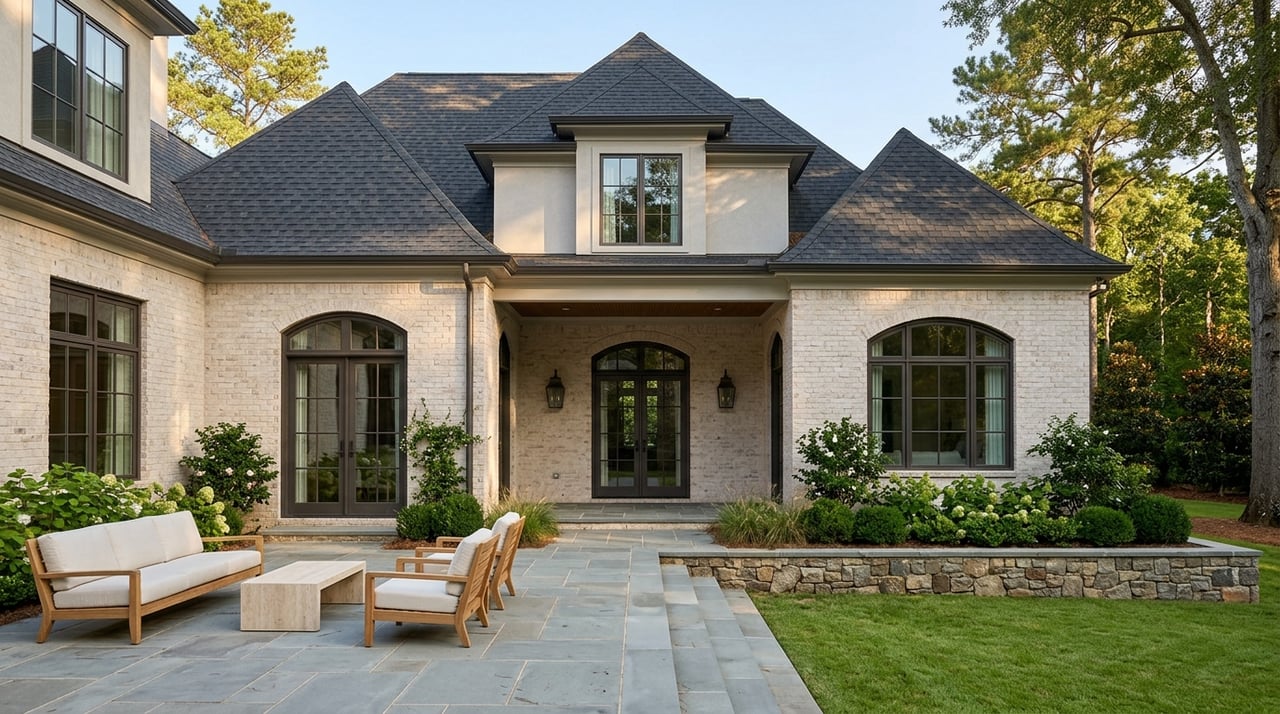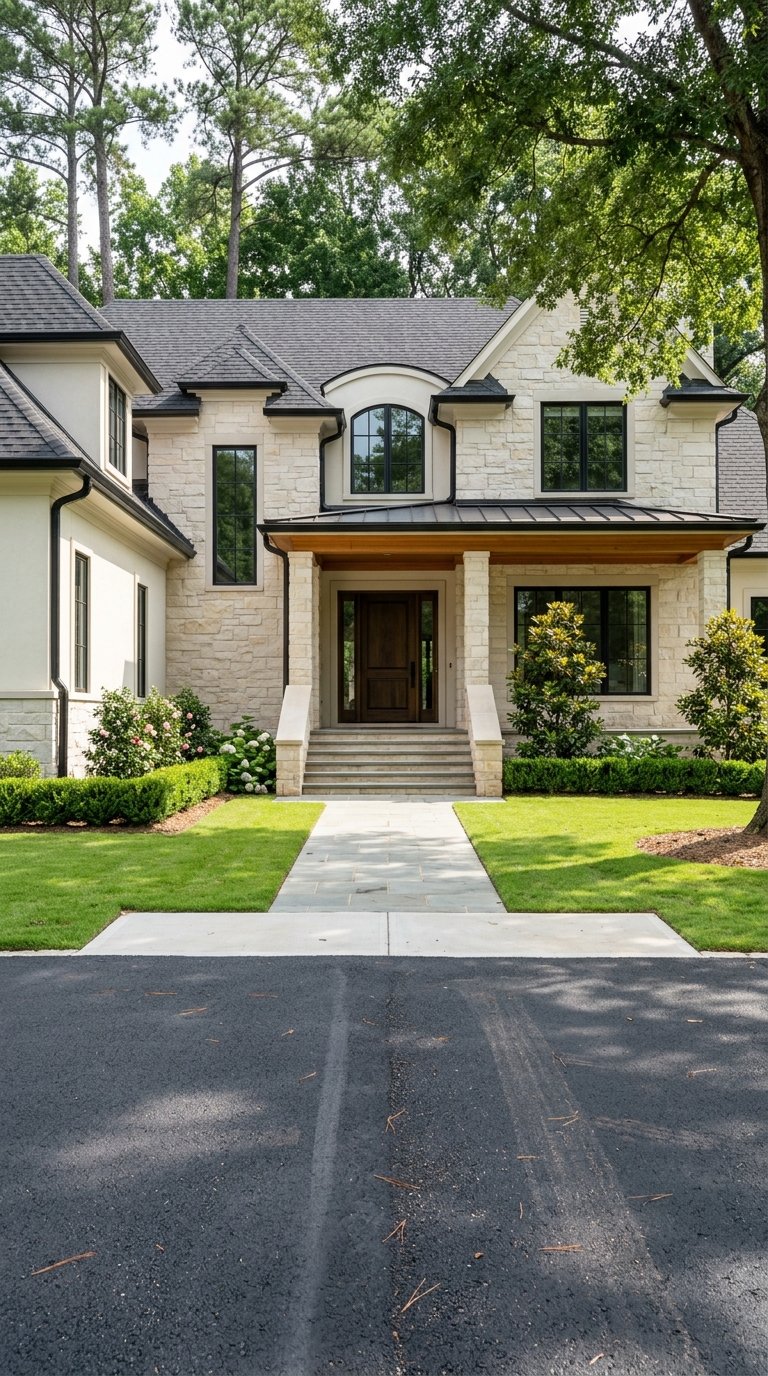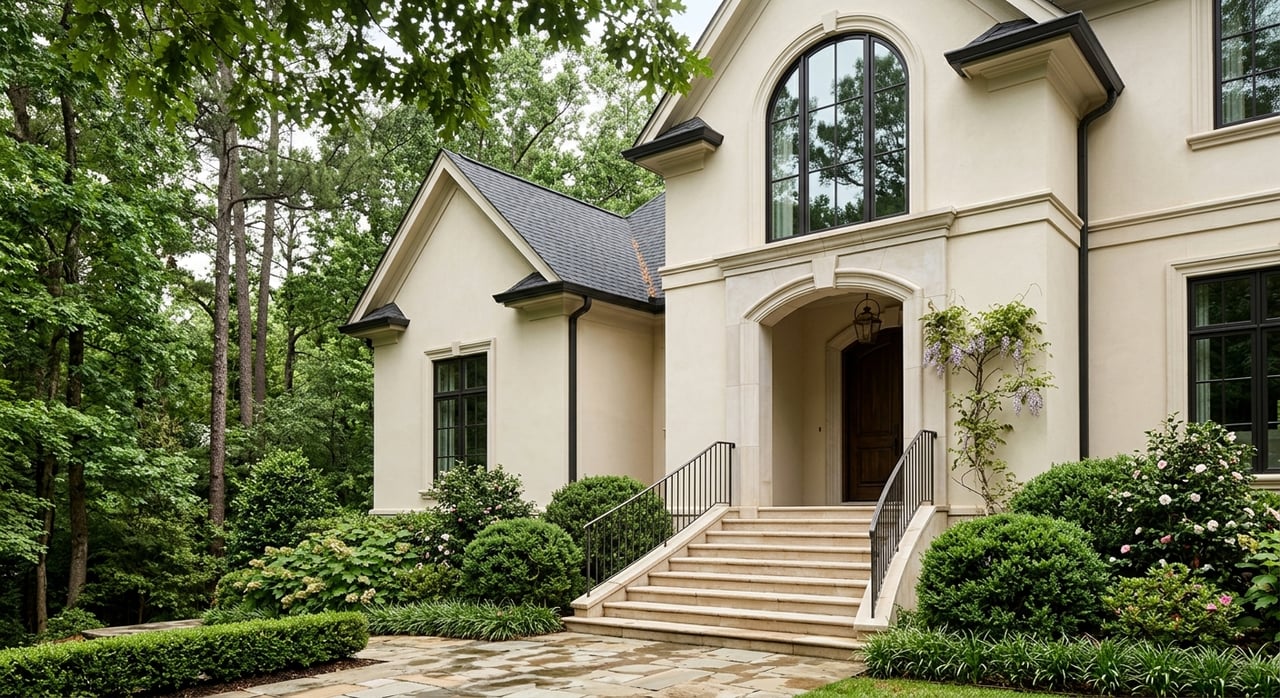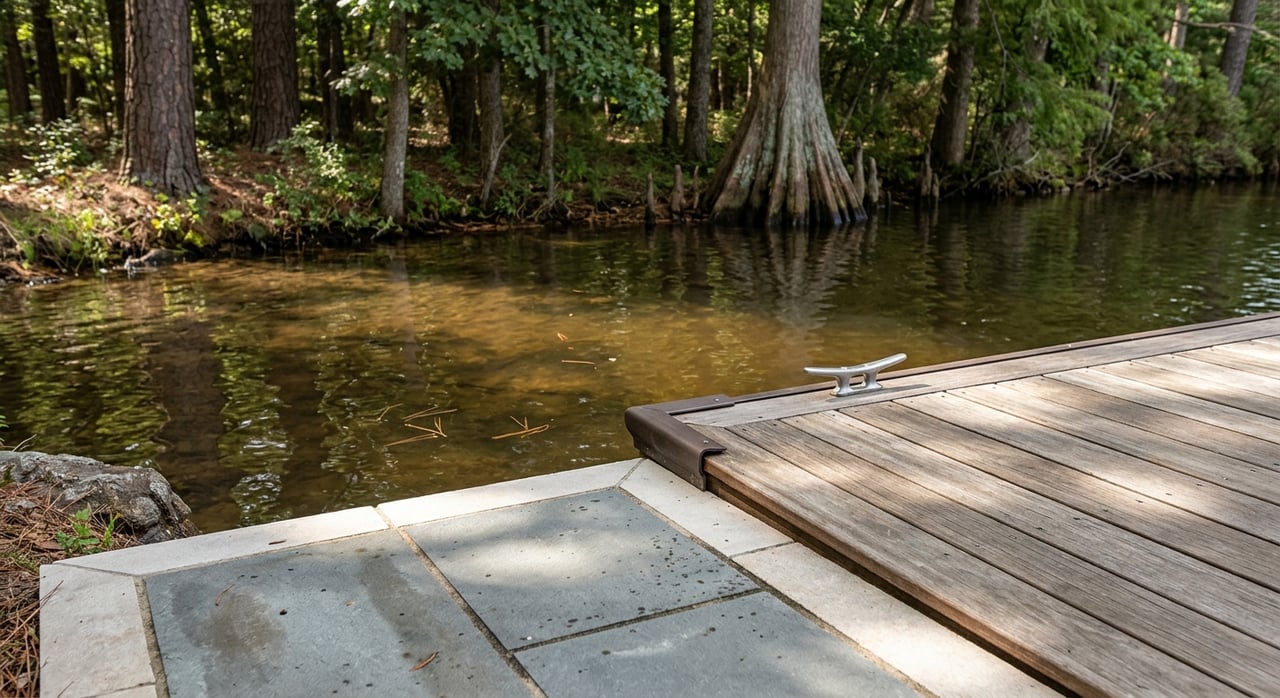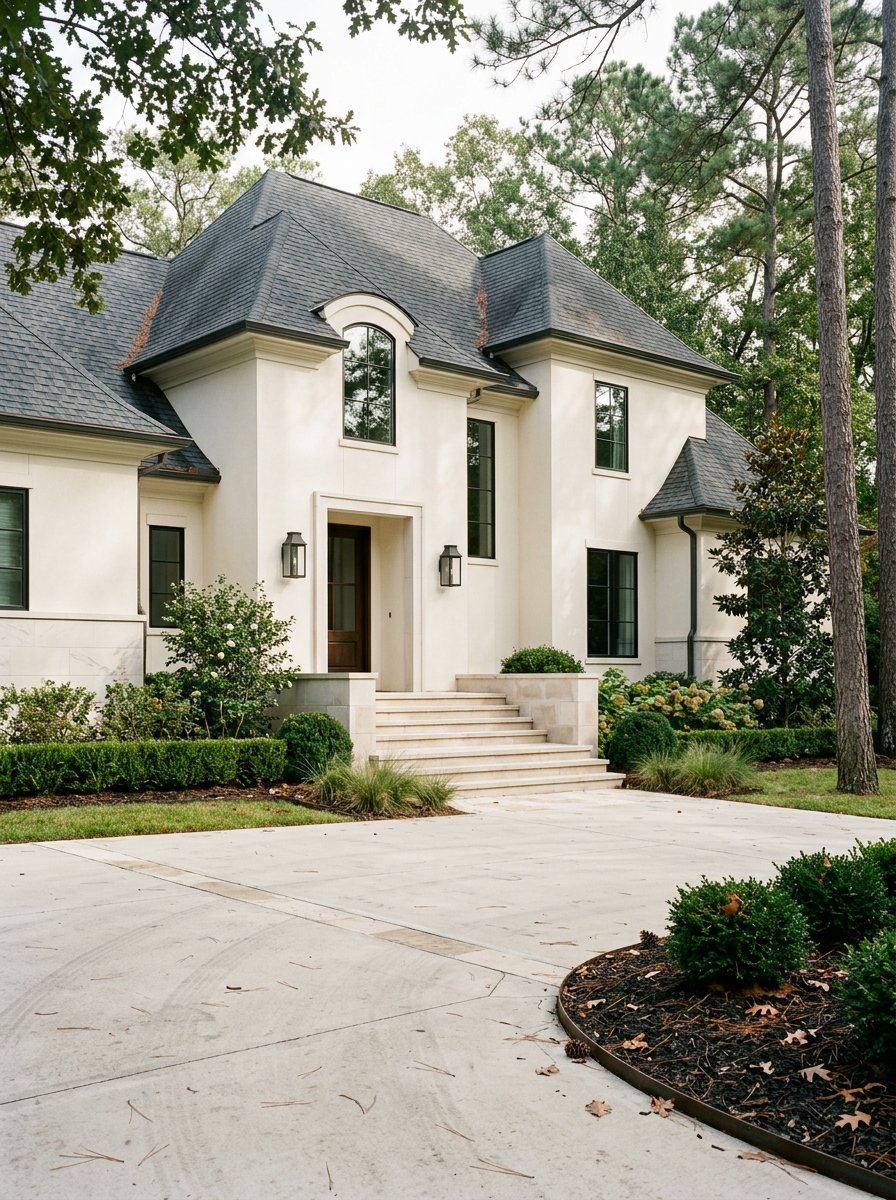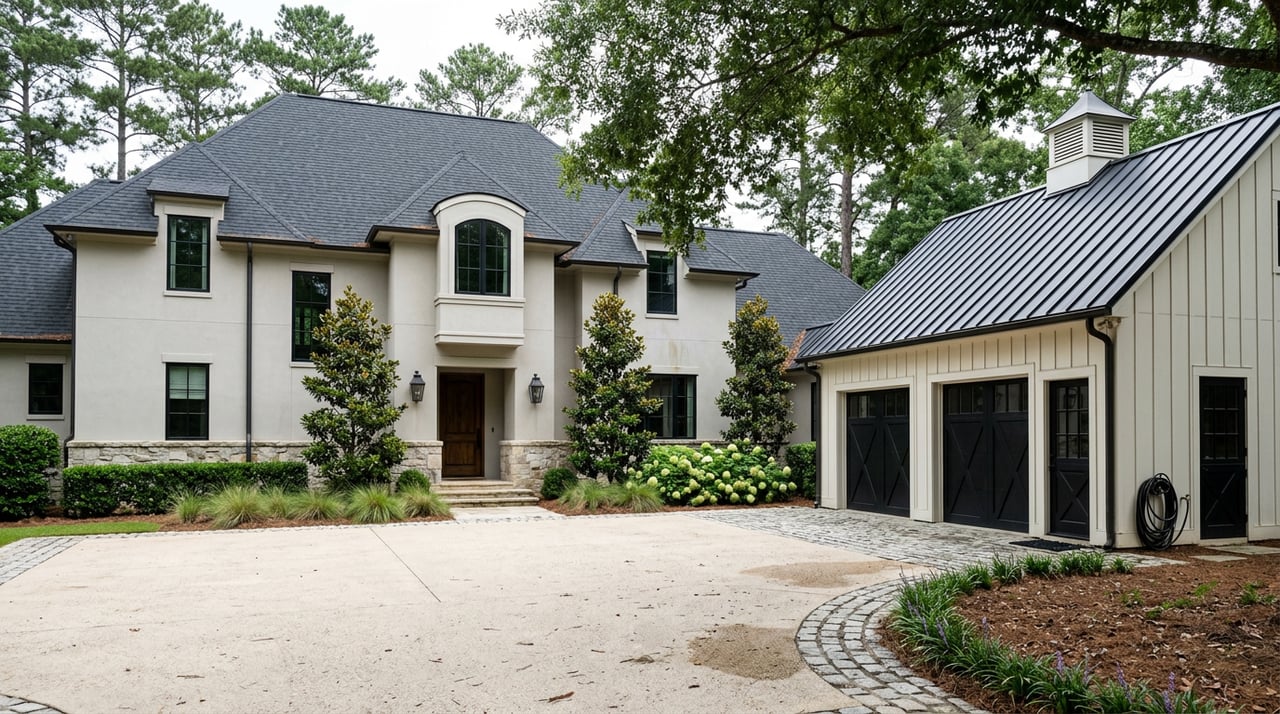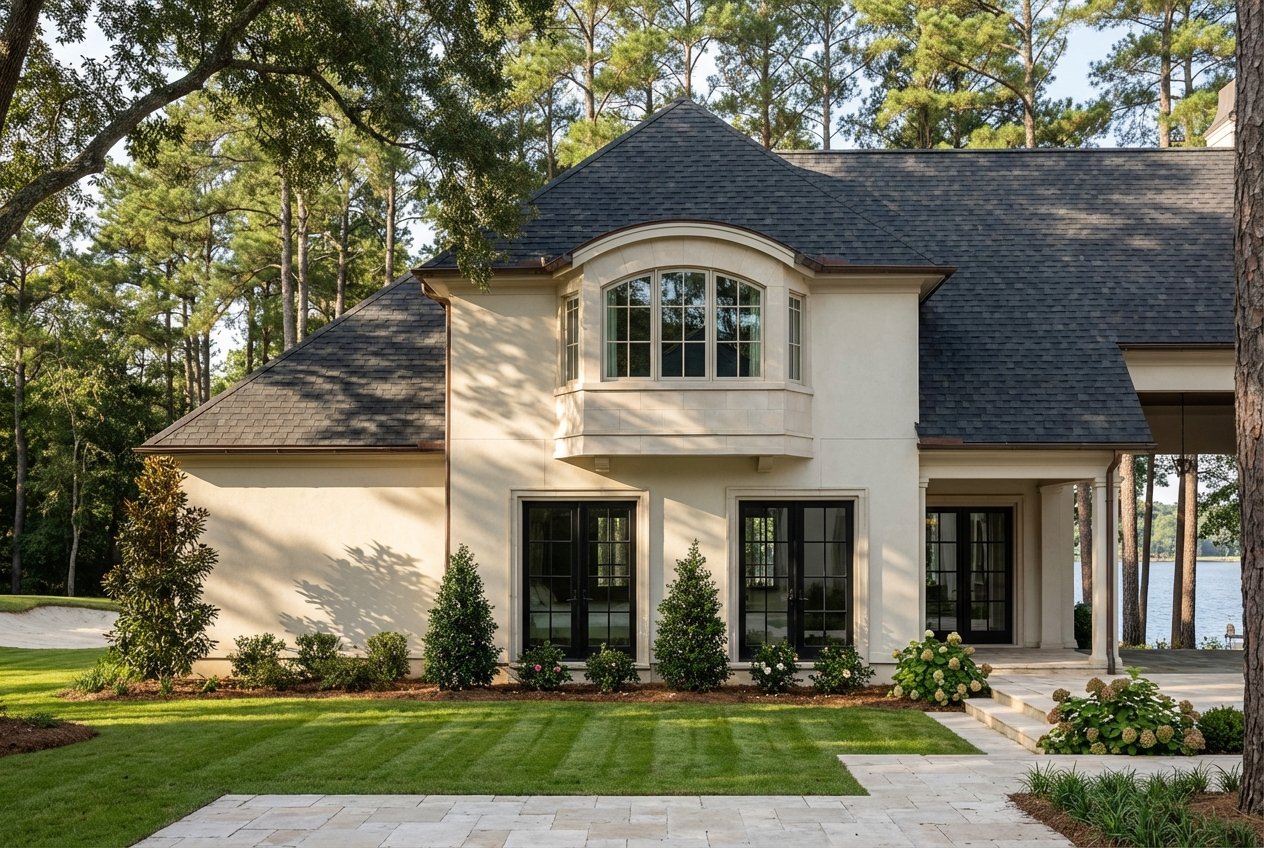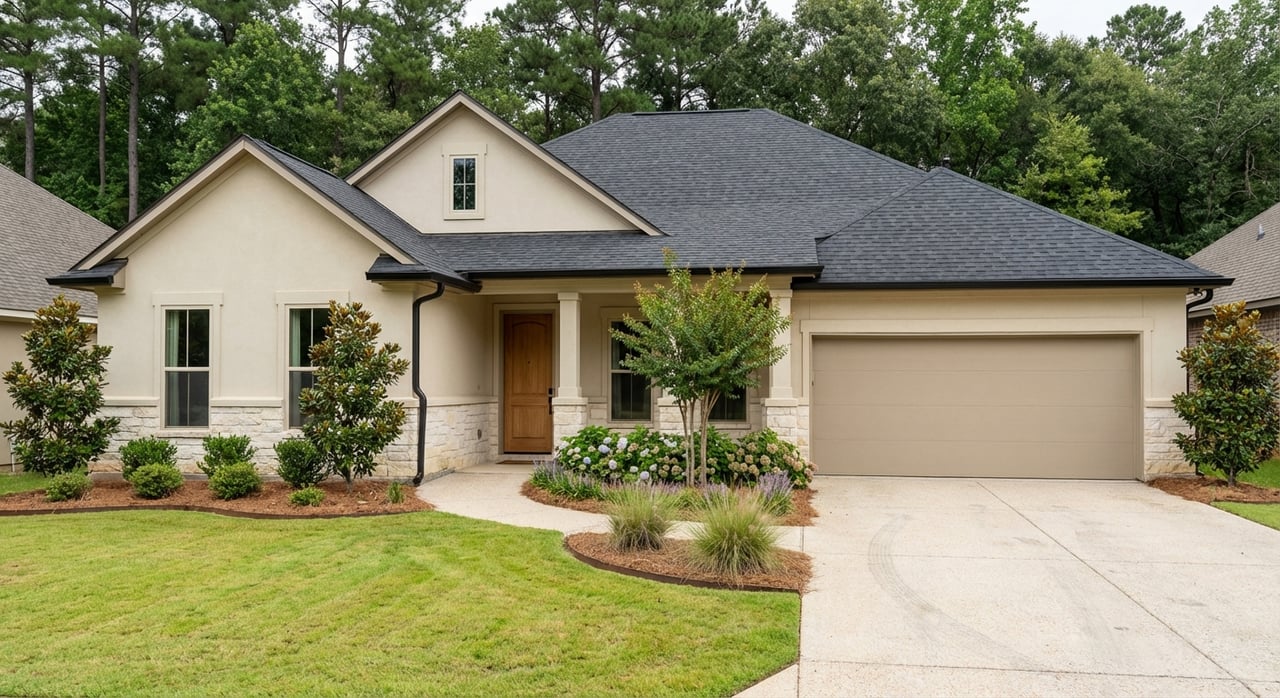
Ask two Lake Oconee buyers what they expect to pay in property tax and most will hand you a single number, usually pulled from a portal's estimate tool or a listing sheet. That number rests on an assumption that often turns out to be wrong: that a "Greensboro, GA" mailing address means the same taxing authority reaches every parcel that carries it. It doesn't.
In Greene County, whether a home sits inside the actual incorporated city limits of Greensboro or out in the surrounding unincorporated county changes who gets to set a rate on that property, and how many layers of that rate stack up. That line, not the number of golf courses inside a gate or the length of a dock, is frequently the bigger swing factor in what a buyer signs up to pay every December.
Two Numbers That Don't Sit Together Comfortably
Property tax analytics firm Ownwell puts Greensboro's median effective property tax rate at roughly 0.62 percent as of its most recent 2026 data, well under both the Georgia state median of 1.00 percent and the national median of 1.02 percent. County-wide figures land in a similar band, generally cited in the 0.6 to 0.7 percent range depending on the parcel and school levy involved.
At the same time, Greensboro carries one of the higher median home values in the state relative to its neighbors, and Ownwell's own data puts the typical Greensboro homeowner's annual bill around $3,259 as of its most recent estimate. That is the puzzle worth sitting with for a moment: a market with home values well above the state average, paired with an effective rate that reads as unusually light. Most of that gap has nothing to do with the assessor's opinion of your home's worth. It has to do with which government entities are allowed to bill you at all.
Where the Bill Actually Comes From
Georgia assesses real property at 40 percent of fair market value, then applies a millage rate to that assessed figure. One mill equals one dollar of tax for every thousand dollars of assessed value, a formula the state's Department of Revenue lays out plainly on its own millage rates page. County commissioners and the county school board set the base millage that applies to every parcel in Greene County. Cities are a separate taxing authority layered on top, and they only reach the properties that fall inside their own boundaries.
Greene County's own tax office is direct about this in its published guidance: different parts of the county carry different millage rates depending on which city or district a parcel sits in, and each city sets its own rate independent of the county's. The City of Greensboro follows that pattern exactly. Its most recently published millage rate was set at a public hearing on September 2, 2025, a step with no equivalent in the unincorporated county, where only the county commission and school board vote on the number. You can see that meeting notice and the underlying five-year levy history on the City of Greensboro's own tax digest page.
Put simply, a parcel inside Greensboro's city limits pays county millage plus city millage. A parcel outside those limits, even one with a Greensboro mailing address, pays county millage only.
| Location type | Millage layers that apply |
|---|---|
| Inside Greensboro city limits | County + city (set separately, at separate hearings) |
| Unincorporated Greene County | County only |
| Unincorporated, school district variance | County + county school levy, which can itself differ by attendance zone |
Why the Boundary Matters More Than the Golf Course
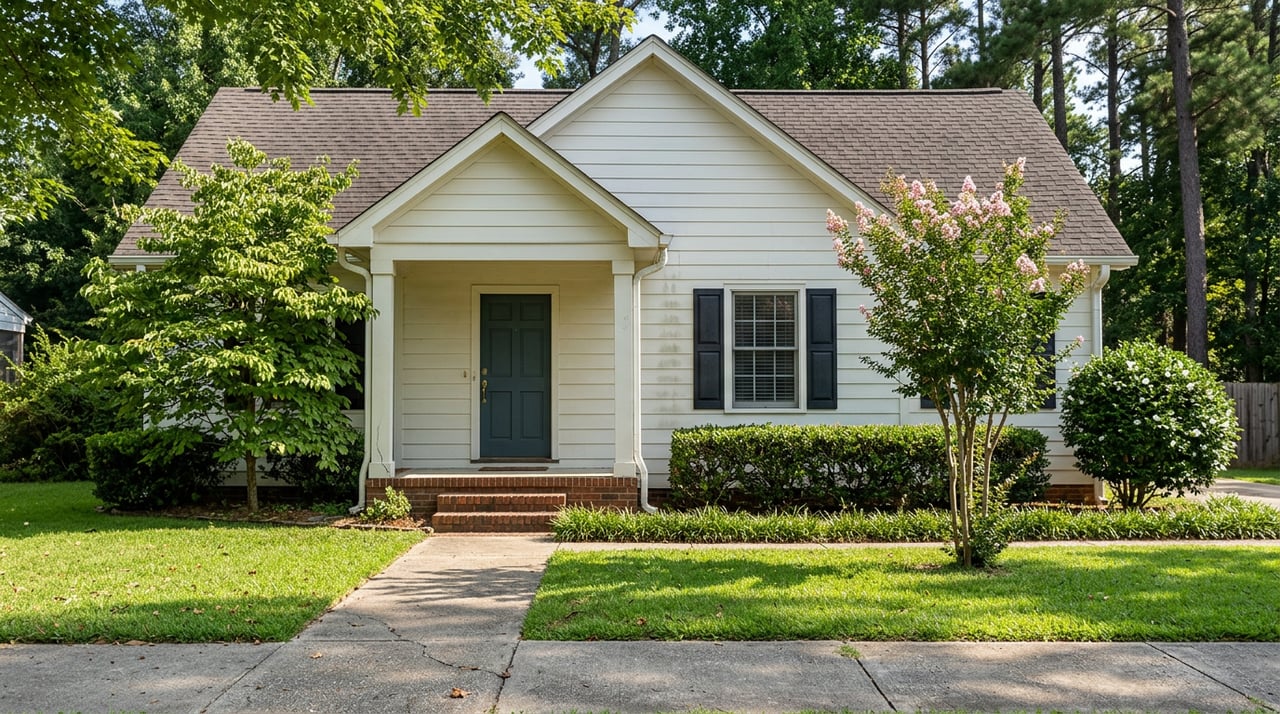
This is where the puzzle from the first section resolves. A modest three-bedroom two blocks from the historic courthouse can carry a heavier combined millage than a lakefront estate several times its value, simply because the smaller home sits inside the taxing city and the larger one doesn't. Value drives the assessed base. Boundary drives how many rates get applied to that base.
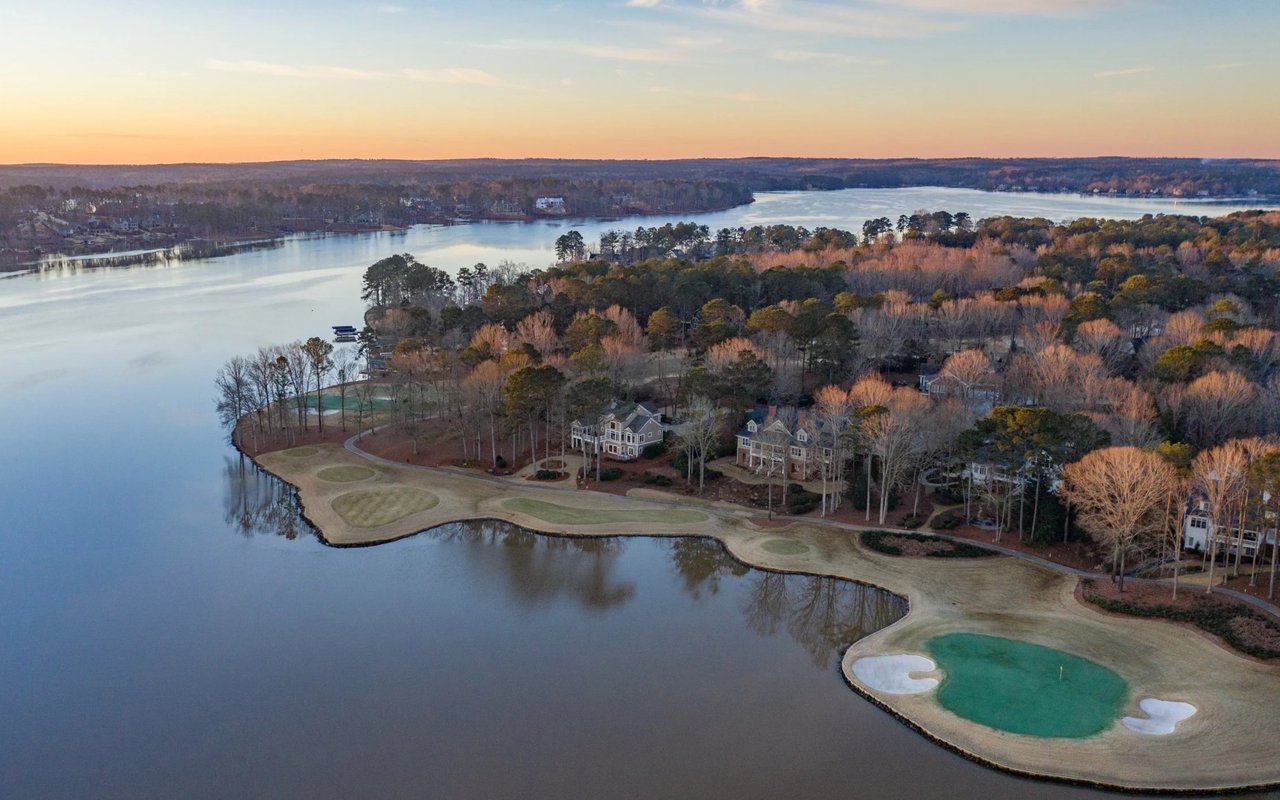
For a buyer comparing a home inside Greensboro's historic downtown grid against a property in one of the area's larger gated developments, whether that's a golf villa near Reynolds Lake Oconee, a lakefront lot in Harbor Club, a cottage in Cuscowilla, a resale in Del Webb at Lake Oconee, or an estate lot in Great Waters or The Landing, the question isn't whether the community feels more or less exclusive. It's whether the parcel itself sits inside the incorporated city or in the unincorporated county around it. That single fact determines whether a city millage rate applies at all, and it is not something a ZIP code, a builder's marketing page, or a portal estimate reliably tells you. The Greene County Tax Assessor's parcel records settle it, and confirming that boundary status belongs on your checklist before you compare two listings on price alone.
What This Looks Like Next to Atlanta
For buyers coming from metro Atlanta, the comparison lands even harder. Published 2025 county millage totals for unincorporated Cobb County run around 30.13 mills, Gwinnett's unincorporated total runs closer to 34.86 mills, and DeKalb's total climbs well above 43 mills before any city add-on is applied. Those numbers sit on top of home values that, in many cases, are lower than what the same buyer would pay for comparable square footage at Lake Oconee.
That combination, higher home values paired with a meaningfully lighter combined rate, is a big part of why relocating families and second-home buyers from the Atlanta side of I-20 often describe their first Greene County tax bill as a pleasant surprise rather than a hidden cost. It isn't a fluke. It's the direct result of fewer taxing layers reaching most of the county's larger residential land, plus a county government structure that keeps its own base rate comparatively low.
The Homestead Exemption Doesn't Follow the Deed
One friction point catches buyers off guard at closing more than almost anything else in this process. Georgia's homestead exemption, which reduces the assessed value used to calculate your bill, is tied to the person who owns and occupies the home as of January 1 of a given year, not to the property itself. It does not transfer with the deed. A new owner has to file their own application with the Greene County Tax Assessor, and the standard state exemption only shaves $2,000 off assessed value, though Greene County offers more generous local exemptions on top of that baseline, detailed on the Greene County Tax Commissioner's general information page.
The practical effect: if you close on a home mid-year, you inherit the current assessed value with no exemption already in place, and you won't be able to apply one until the following year's filing window opens. Assessment notices go out each spring, and the appeal window on those notices typically closes by early June, so a buyer who closes in the back half of the year is working with a number they had no chance to contest until the cycle starts over.
A Short FAQ
How do I find out if a specific address sits inside Greensboro's city limits or in unincorporated Greene County? The county's parcel records, searchable through its assessor's office, show the taxing jurisdiction for any given address. This is worth confirming before you write an offer, not after you've compared two listings on sticker price alone.
Does an unincorporated property lose access to services a city home gets? Not in the way most buyers assume. Gated communities maintain their own roads, gates, and amenities through HOA dues regardless of tax status, and unincorporated Greene County still receives county-level fire and emergency services. The tax distinction is about which government can bill you, not which one shows up when you call.
If I close mid-year, whose assessed value am I stuck with? Yours, starting the moment you close, but any exemption benefit the seller had does not carry over. You'll file your own homestead application the following spring, ahead of the standard deadline, to start reducing your assessed value going forward.
Comparing Lake Oconee neighborhoods on price per square foot only tells part of the story. The taxing jurisdiction underneath a specific parcel can matter just as much to your actual carrying cost, and it's a detail worth verifying with someone who works these boundaries every day rather than guessing from a listing sheet. If you're weighing a home inside Greensboro's historic core against a property in one of the area's gated communities, Robert Boatright and the Boatright Realty Group can help you confirm exactly which lines apply to the address you're considering, and what that means for your bottom line. Contact us, let's find your Lake Oconee home.